Emotional Intelligence and Anger Management for Children Aged 4 to 6
Contact us

Emotional Intelligence and Anger Management for Children Ages 4 to 6

A six-week online emotional intelligence programme that helps children aged 4 to 6 name big feelings, calm meltdowns and learn to wait, share and get along with friends, with daily practice and parent updates.

BodhiShishu- A Trusted Brand

Is Your Child Struggling With Anger, Frustration or Big Feelings at Ages 4 to 6?

Does this sound familiar?
Many parents know these moments well. A small setback turns into a meltdown, a playdate ends with snatched toys and tears, or a child who was happy to go to pre-school suddenly clings to a parent at the gate. These experiences are common, and they do not mean a child is difficult. They usually mean a child has not yet learned the words and skills to recognise and manage what they feel.

The Daily struggle You're facing

Big feelings at this age can be hard to watch. A child who melts down at bedtime, screams in a shop because the toy isn’t coming home, or hits a sibling when they can’t have the last biscuit is often showing a feeling they don’t yet have words for.

Frustration can come fast. Young children want things immediately and can’t yet wait, share or take turns for long. When something doesn’t go their way, the feeling can arrive all at once, and there is little space between the feeling and the reaction.

Worry can look like anger. A child who is scared of a new pre-school class, a dog on the street or a change in routine may react with kicking, clinging or refusing to leave. The anger is often covering a fear the child can’t yet explain.

Family life can feel stuck in the same cycle. Each meltdown leaves the child upset and the parent exhausted, and the next one often follows soon after.

Why Common Approaches Don’t Help Young Children Manage Big Feelings

Most parents have tried several things, and most have good reasons for trying them.

Punishment and timeouts.

These can stop a moment, but a young child in the middle of a big feeling is rarely learning anything from being sent away. They’re left alone with the feeling, without the words or the skill to calm it.

Explaining during a meltdown.

When a young child is overwhelmed, their attention narrows to the feeling itself. Reasoning and explanations often don’t land at that moment, however reasonable they are.

Telling them to stop or calm down.

A child who has never been shown how to calm their body can’t simply decide to stop. The instruction arrives without the skill it needs.

The underlying gap is the same in each case. Young children learn to manage big feelings through guided practice and repetition, with simple words and tools they can use on their own. That is what the programme provides.


The Long-Term Cost of Unmanaged Feelings in Early Childhood
When big feelings go unsupported at this age, the effects can build over time.

In Childhood (Present):

  • Difficulty making and keeping friends at pre-school or playgroup
  • Frequent conflict over sharing and turn-taking
  • Family routines, such as bedtime and meals, becoming a daily struggle
  • A child who feels that their feelings are “too much” or unwelcome
  • Difficulty settling into school routines and new situations

In Adolescence & Adulthood (Future):

  • Feelings that are harder to manage at school, as the demands increase
  • Friendships that become more difficult to sustain
  • Greater self-criticism if the child begins to see themselves as the problem
  • Stress that is carried into later childhood, rather than being resolved at its source

Studies indicate that children with poor emotional regulation are 3x more likely to experience mental health challenges in adulthood. 

Early support matters because the skills a child learns at this age become the foundation for everything that follows.

Get our information brochure for the Emotional Intelligence Programme for Children Aged 4 to 6, and see how it helps young children recognise, name and regulate big feelings.

Introducing: Emotional Intelligence Programme for Children Aged 4 to 6

A Research-Backed Emotion Management System for Children Ages 4-12

The BodhiShishu Emotional Intelligence Programme for Children Aged 4 to 6 helps young children name their feelings, calm big reactions and get along with the people around them. It runs for 45 days and is delivered through one-to-one sessions led personally by Ms Darshan Bawa, so each child is taught by someone who knows their own patterns and progress.

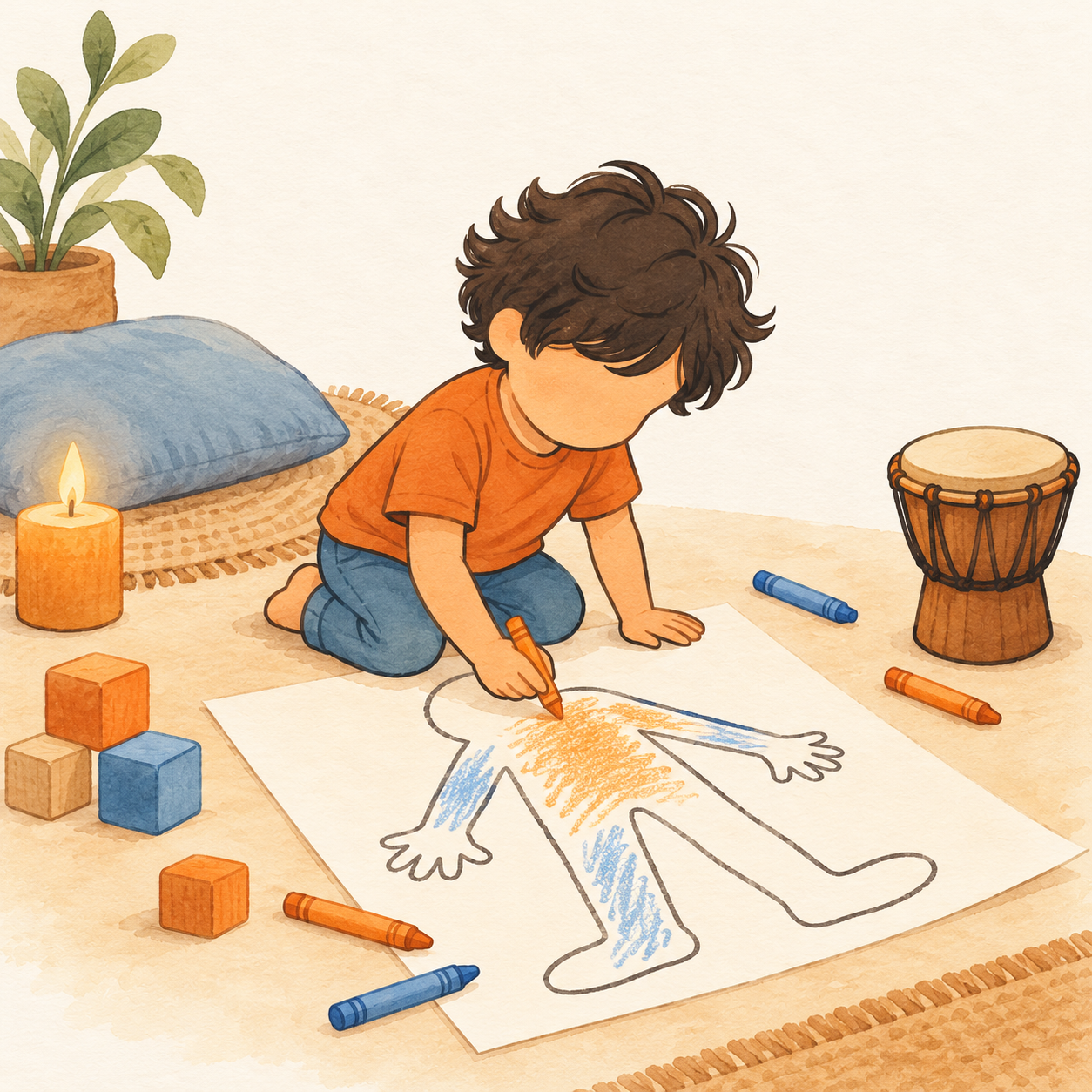
The programme is designed for children who are still learning to speak about feelings, so no reading is needed. Children learn through picture stories with animal characters, movement, drawing and play. Each week builds a new skill that the child practises during the session and then again each day at home.


Learning at this age sticks when it becomes part of daily life, so the programme includes a short daily practice that fits into the family’s routine. Parents stay involved throughout, with a weekly summary of their child’s progress and clear, practical ways to continue the learning at home.

How the 45-Day Emotional Intelligence Programme Works for Children Aged 4 to 6

45 Days

A structured emotional intelligence programme that runs for six weeks, so your child has time to build skills that last.

6 Sessions

One-to-one sessions with Darshan, one each week, each introducing a new skill for emotional regulation through a short age appropriate tools.

30 Minutes Each

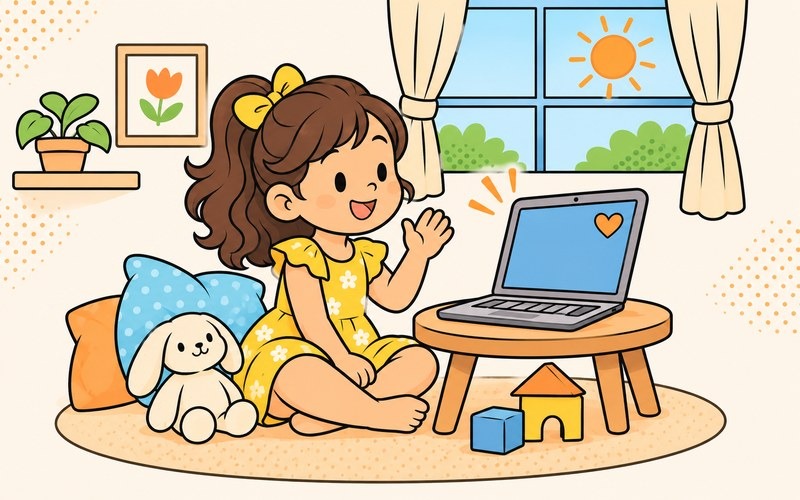
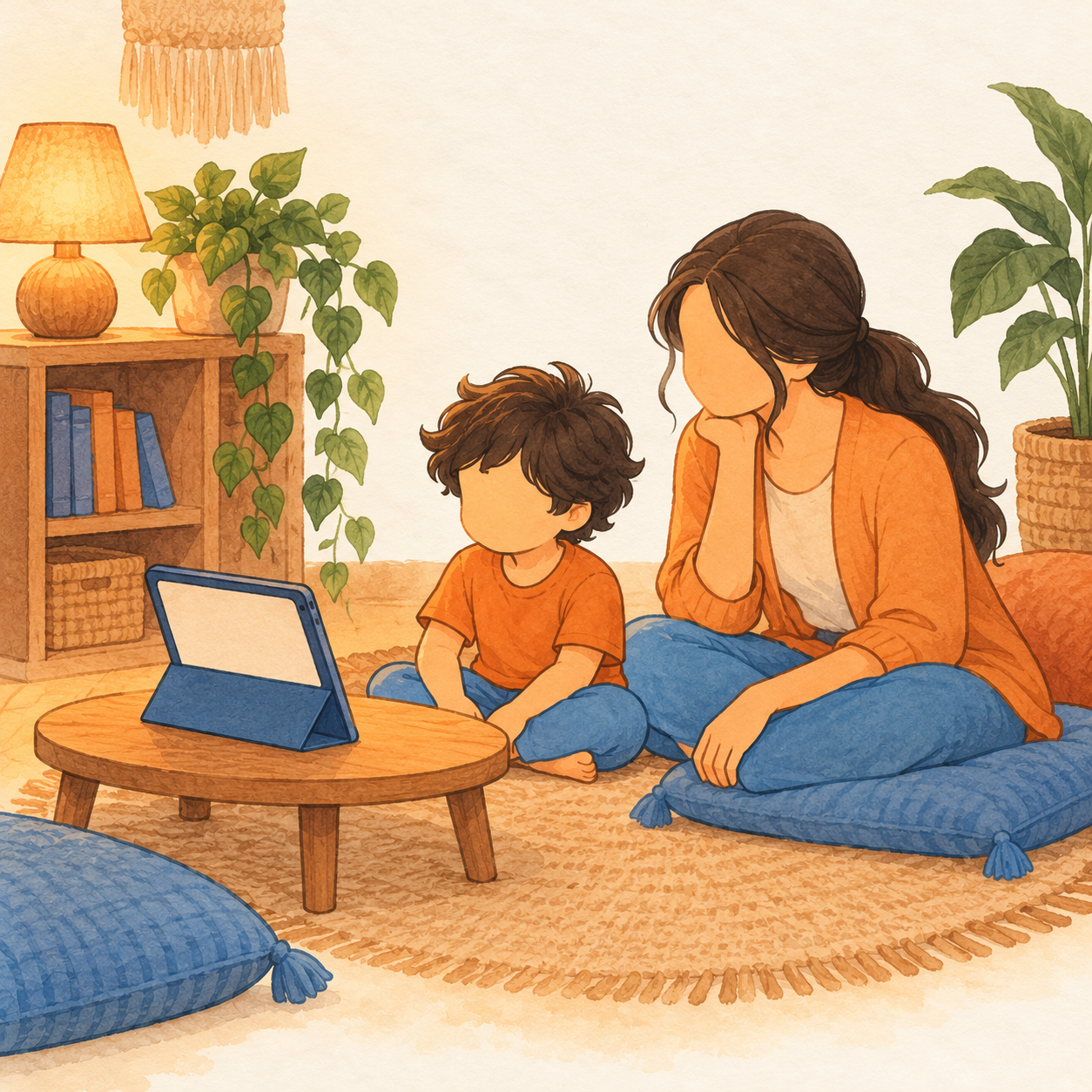
Focused sessions that fit comfortably into a young child’s attention span, held on a video call from home.

3 to 5 Minutes Daily

Short daily practice between sessions, using the same routine each day, so calming and sharing become a habit.

Get our information brochure for the Emotional Intelligence Programme for Children Aged 4 to 6, and see how it helps young children recognise, name and regulate big feelings.

Meet the Animal Cast in the Emotional Intelligence Programme for Children Aged 4 to 6

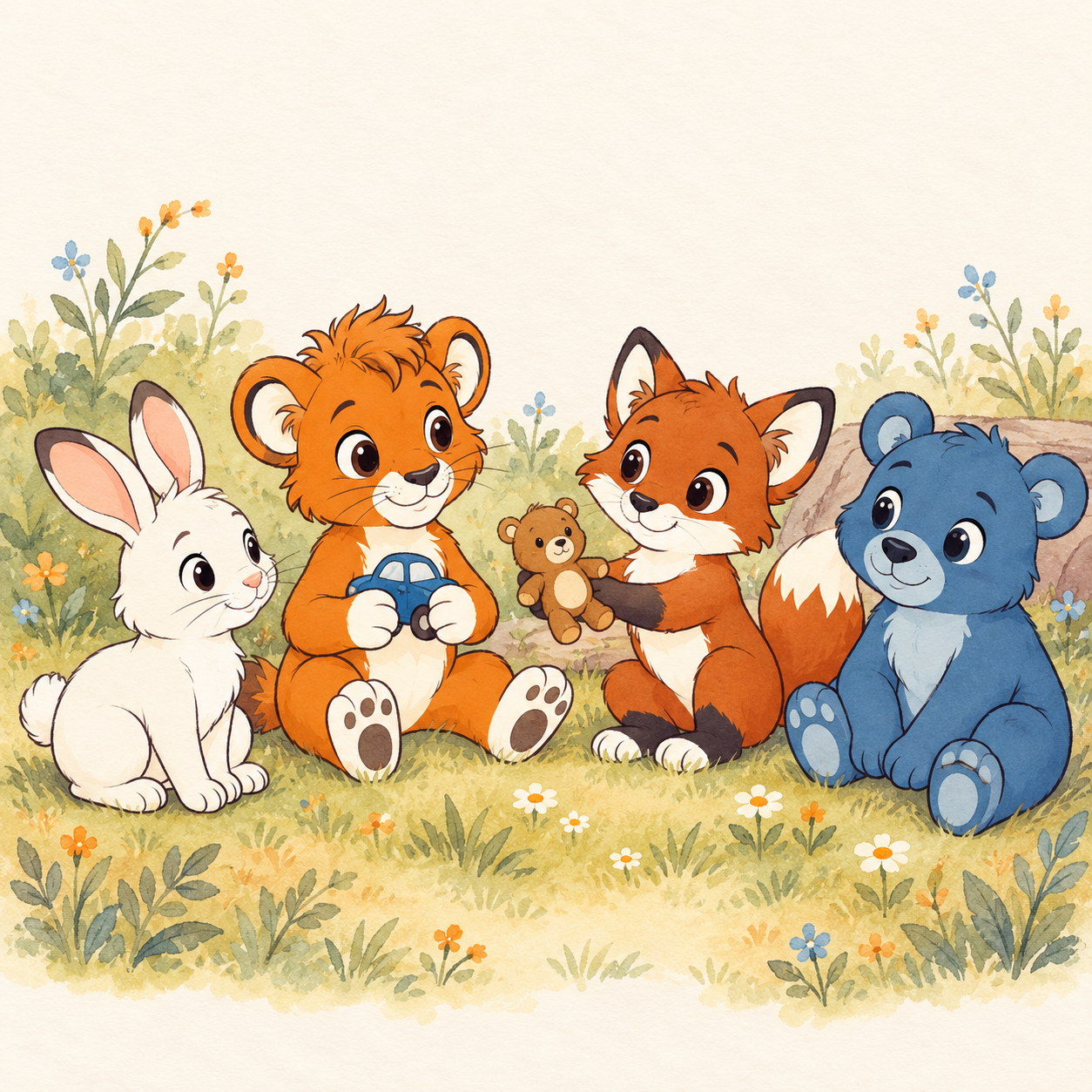
The Animal Cast is the group of animal characters that children aged 4 to 6 learn with throughout the emotional intelligence programme. Each character helps young children recognise feelings in everyday situations, so the learning comes through stories they can picture.

Magnet, the Lion Cub

Magnet is the anchor character of the programme, appearing across the six weeks and returning in each new story to help children name their feelings.

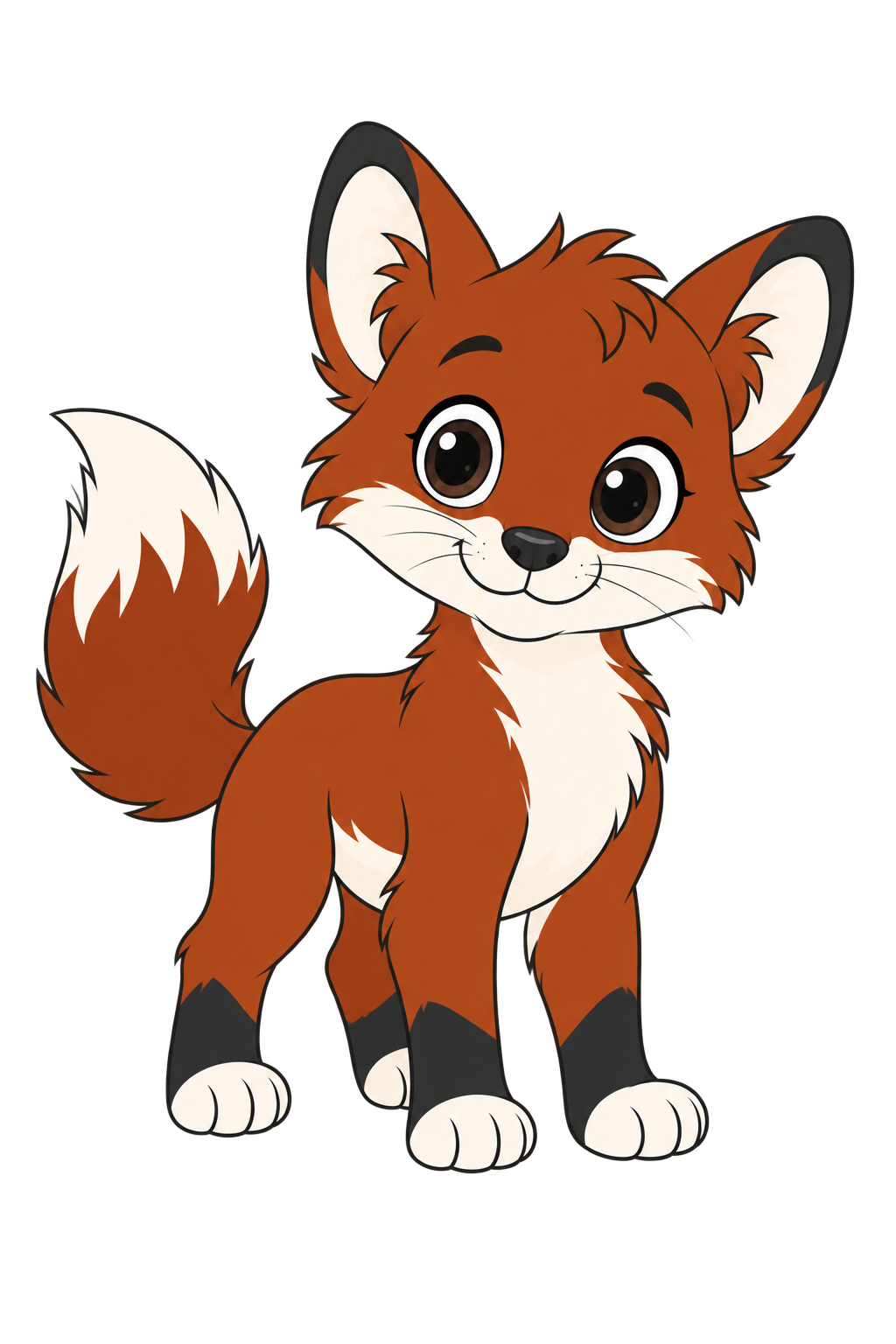
Lina, the Fox Cub

Lina is one of the storytellers who takes turns narrating the weekly stories, giving children a familiar friend to follow from session to session.

Rio, the Bear Cub

Rio is one of the storytellers who takes turns narrating the weekly stories, bringing a different voice and perspective to each week’s lesson.

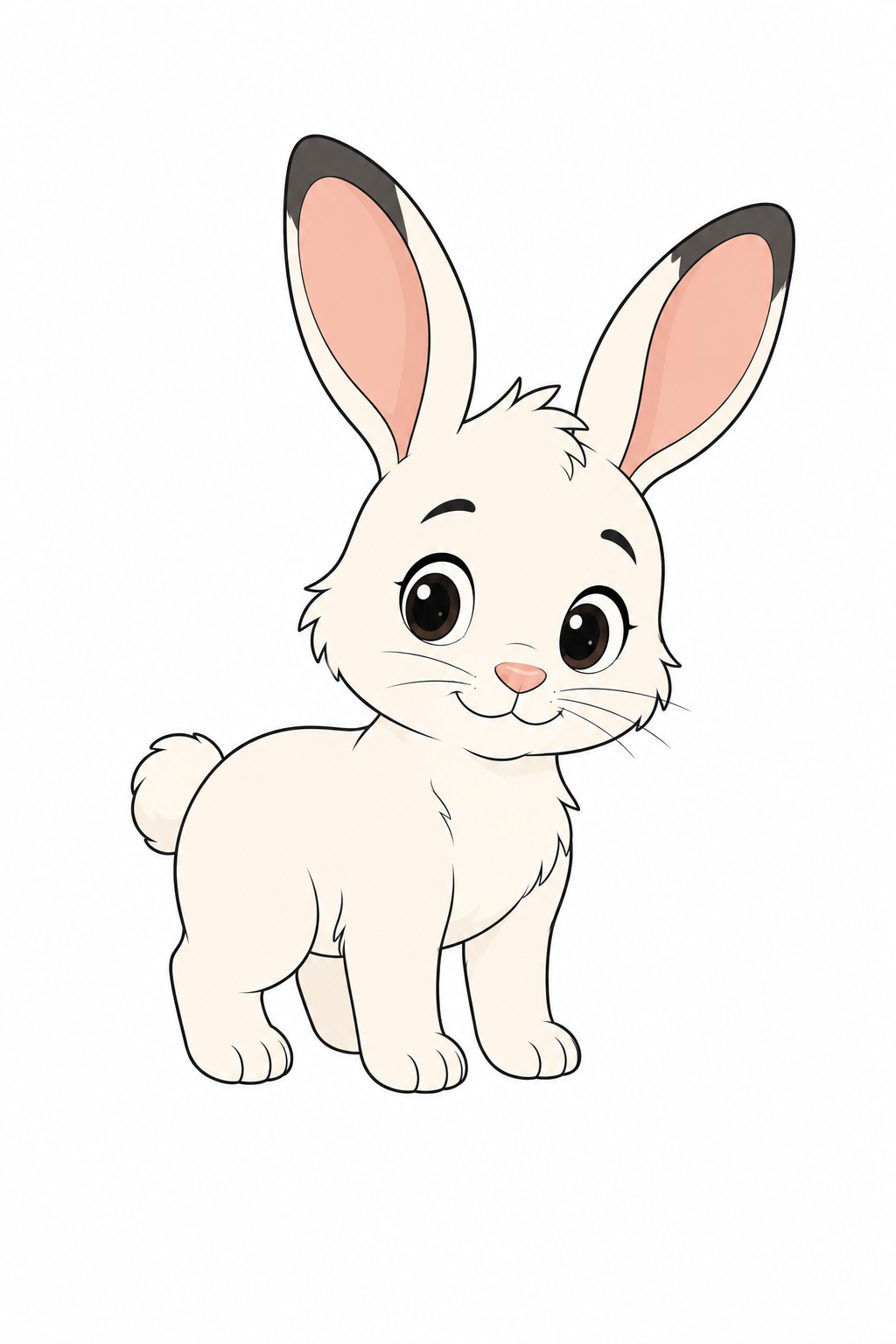
Pip, the Rabbit

Pip is one of the storytellers who takes turns narrating the weekly stories, helping children feel at ease as they practise new skills.

Emotions Children Aged 4 to 6 Learn to Manage: Anger, Tantrums, Anxiety and More

The emotional intelligence programme for children aged 4 to 6 helps young children name and manage the feelings that come up most often in everyday life.

Anger and Tantrums: How Do I Help My 4 to 6 Year Old Calm Anger?

Many parents search for help with child anger management and toddler tantrums. In this programme, children learn to notice the rising feeling of anger in their body, such as hot cheeks or clenched fists, and practise a simple calming routine. The calming steps are repeated every day, so children can use them at home, at pre-school and when a tantrum starts to build.

Frustration and Meltdowns: Why Does My Child Melt Down When Things Go Wrong?

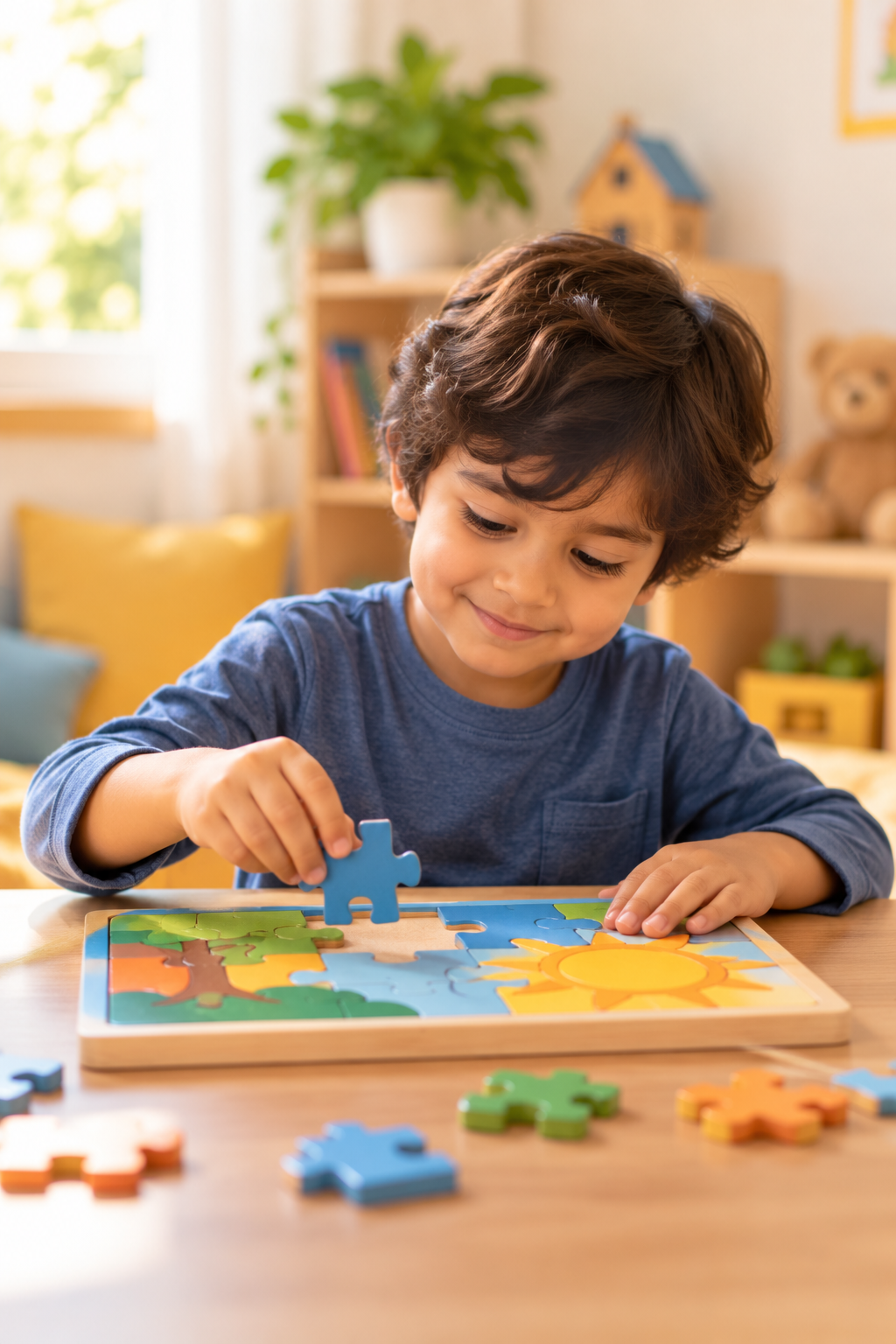
Frustration is one of the most common triggers for meltdowns in children aged 4 to 6. The programme helps children recognise when a task feels stuck, such as a puzzle piece that won’t fit or a tower that keeps falling. Children learn to name the frustration and keep trying in small steps, building the emotional regulation skills that make meltdowns less frequent over time.

Anxiety and Worry in Young Children: How Can I Help My Child Feel Safe?

Parents often search for ways to help a child with worry, anxiety or fear of new situations, such as starting pre-school or meeting new people. Children learn to name the worry, understand that it is a feeling and not a fact, and settle their body with a calm breath. The programme builds these skills gradually, so children feel more confident facing new situations.

Sadness and Big Feelings: How Do I Help My Child Cope With Missing Someone?

Young children often feel sadness when they miss a parent, lose a favourite toy or say goodbye at the school gate. The programme helps children name the sadness in their body and in their words, and it shows them that sadness passes. Parents learn how to respond calmly, so the child feels heard rather than hurried.
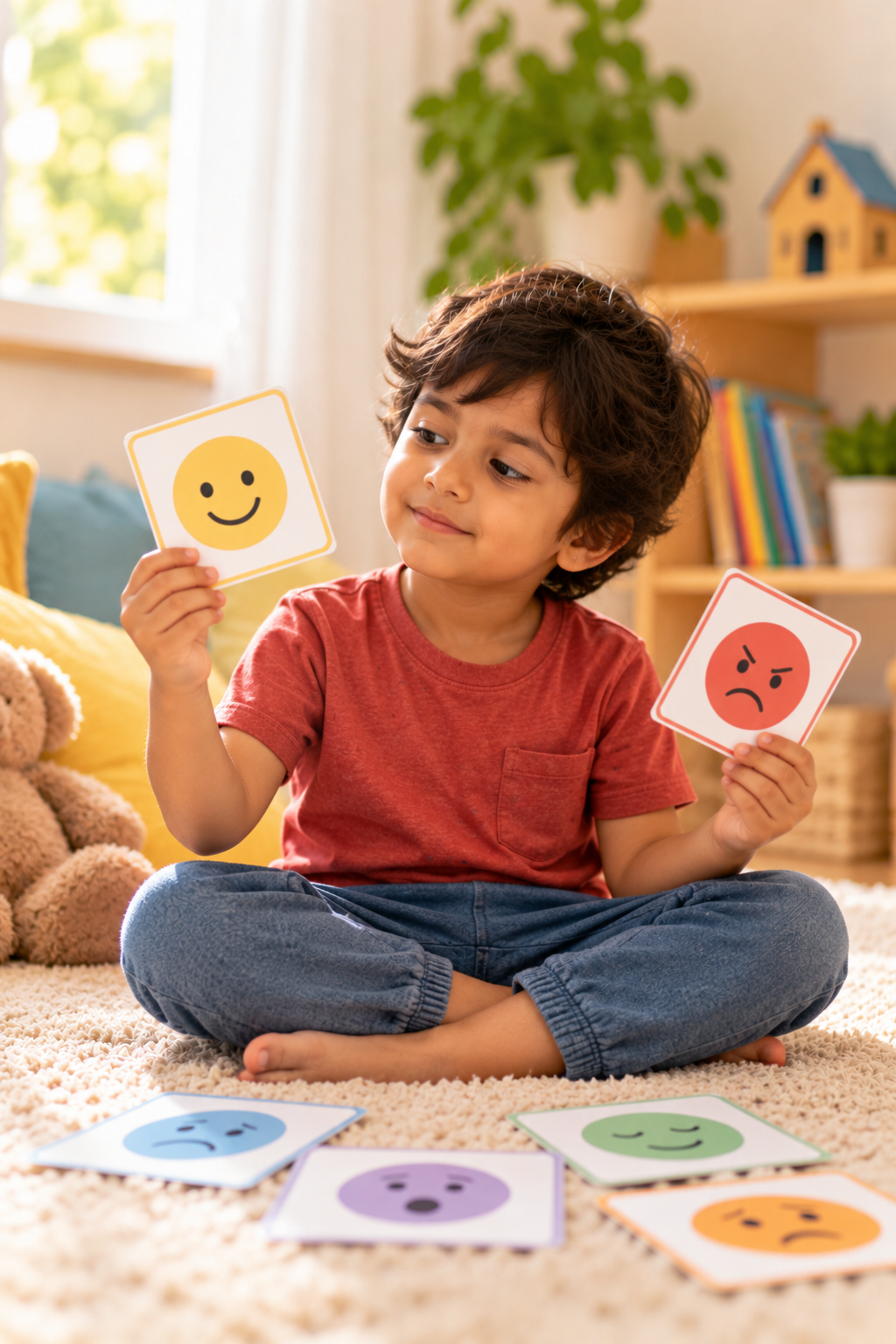
Disappointment: How Do I Help a Child Who Can’t Handle “Not Now”?

Disappointment is a common trigger for emotional outbursts, especially when a treat is cancelled or a game doesn’t go as planned. The programme teaches children to name the disappointment and find a way to move on, such as choosing a different activity. Over time, children learn that disappointment is a normal feeling they can get through.

Jealousy and Sharing: How Do I Help Siblings Who Fight Over Toys?

Sibling rivalry and jealousy over toys and attention are among the most common concerns parents raise. The programme helps children name jealousy when they see someone else with something they want, and to take turns and share. Children practise these steps through play, so they know what to do when the feeling arrives at home.

Excitement and Overexcitement: How Do I Calm My Child After a Party?

Some children become so excited that they struggle to listen, sit still or manage their behaviour, especially after a birthday party or a trip. The programme helps children notice the bubbling feeling of excitement and channel it into calm, enjoyable activities. Children learn to enjoy big happy feelings without losing control.

Confidence and Pride: How Do I Build My Child’s Confidence?

Parents often search for ways to build confidence in young children. The programme helps children notice the proud feeling that comes after mastering something new, such as tying a shoelace or finishing a drawing. That feeling gives children the confidence to try the next challenge, and it becomes a foundation for their self-esteem.

The Six Weeks: What Your Child Learns in the Emotional Intelligence Programme

Each week builds one emotional skill for children aged 4 to 6, through a story, live practice with Darshan and daily practice at home.

01

Week 1: Naming Feelings, How Do I Help My Child Identify Their Emotions?

Children learn to recognise and name the feelings they experience each day, so big feelings become easier to talk about and understand.

02

Week 2: Calming Meltdowns, What Helps a Toddler Calm Down Quickly?

Children learn a simple way to settle their body when strong feelings rise, so they can recover from a meltdown more quickly.

03

Week 3: Patience and Persistence, How Do I Help My Child Keep Trying?

Children learn to stay with a task that feels hard, and to see effort as something that makes progress, not as a sign of failure.

04

Week 4: Empathy, How Do I Teach My Child to Care About Others and Show Kindness?

Children learn to notice how other people feel and respond with kindness, including family members and friends.

05

Week 5: Sharing and Taking Turns, How Do I Help My Child Get Along With Others?

Children learn to ask for what they need, wait for their turn and enjoy playing alongside other children.

06

Week 6: Jealousy, How Do I Help My Child Cope When They Feel Left Out?

Children bring together the skills from earlier weeks to recognise jealousy and settle it, so they can enjoy their own things and their friends.

About Darshan: Why Parents Trust Me With Their Child's Transformation

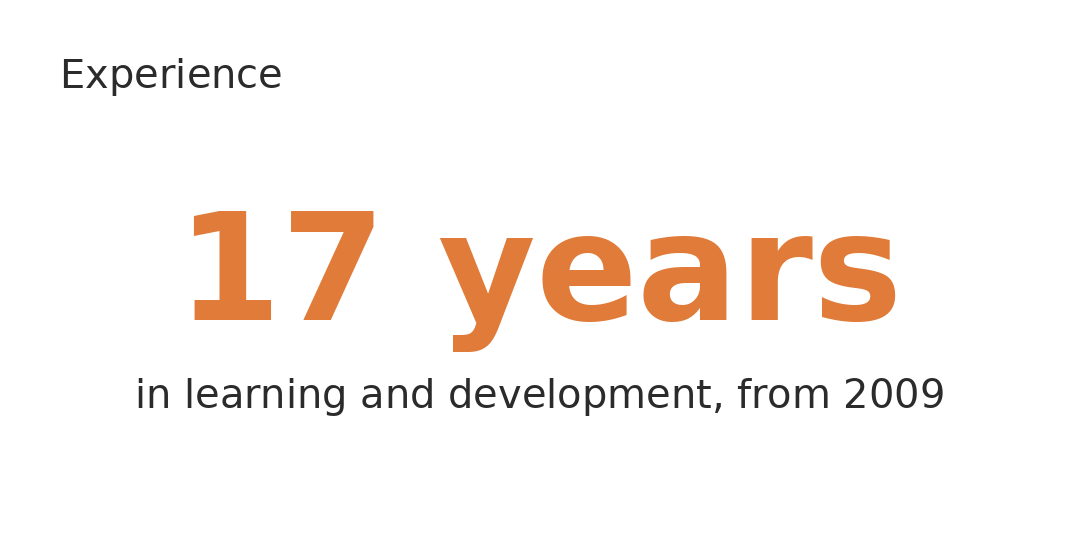
Ms Darshan Bawa is the founder of BodhiShishu, a child development company that helps children aged 4 to 12 build emotional intelligence, focus and confidence. She has worked in learning and development since 2009, and she has been working directly with children since 2016. Her work centres on helping children understand and manage their feelings in ways that last.

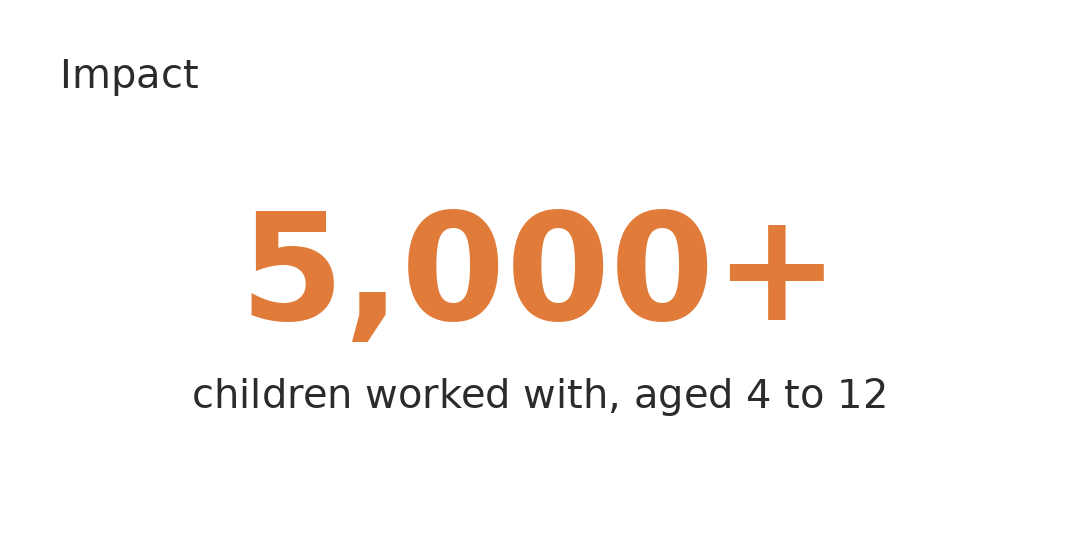
Under her leadership, BodhiShishu has supported more than 5,000 children through structured, research-informed programmes. Her approach, the BodhiShishu Method™, is built around the belief that every child grows at their own pace, and that connection comes before correction. Parents work with her directly, so each child is supported by someone who knows their progress.

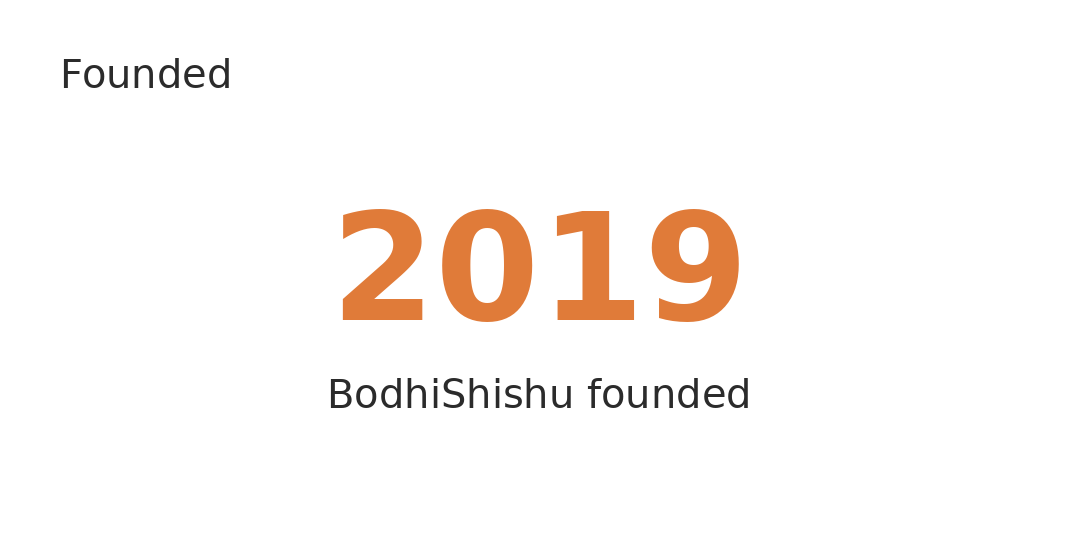
Ms Darshan Bawa is Berkeley Certified in Emotional Intelligence. BodhiShishu was founded in 2019, incubated at IIM Bangalore and supported by Stanford Seed, and has been featured in The Times of India. Parents can read more about her story, her qualifications and the BodhiShishu approach on our About Us page.

Get our information brochure for the Emotional Intelligence Programme for Children Aged 4 to 6, and see how it helps young children recognise, name and regulate big feelings.

What Parents have to Say...

91%

Parents agree that our programmes improved focus and concentration in their children.

89%

Parents noticed an improvement in the emotional health and anger management in their kids.

93%

Parents agree that our courses helped their kids with confidence building and communication skills.

“It is easier to build strong children than to repair broken adults.”

–Frederick Douglass

Frequently Asked Questions About the Emotional Intelligence Programme for Children Aged 4 to 6

How long is the emotional intelligence programme for children aged 4 to 6?

The programme runs for 45 days. Within that time, your child has six one-to-one sessions, one each week, with daily practice at home in between.

Is the programme one-to-one?

Yes. Every session is led personally by Ms Darshan Bawa, so your child is taught by the same person across all six weeks.

Does my child need to be able to read?

No. The programme uses picture stories, movement, drawing and play, so it suits children who are still learning to read or who are not yet reading.

Can the programme be done online, from home?

Yes. All sessions take place on a video call, so you can join from anywhere. Your child needs a device with a camera and a quiet space at home, and no other equipment is required.

How long are the sessions, and how much time does daily practice take?

Each session lasts 30 minutes, followed by a 2-minute debrief for parents. Daily practice takes 3 to 5 minutes a day, with the same routine each day to help it become a habit.

What if my child has already tried other approaches that didn’t work?

Many parents come to the programme after trying other approaches. Children at this age learn best through guided practice and repetition, and the programme is designed to teach the skills behind the behaviour, not only to respond to it in the moment.

Can the programme help if my child’s anger is constant, or only happens sometimes?

Yes. The programme helps children recognise and manage anger whether it happens often or only in certain situations, such as during play or at bedtime. 

Can this programme replace help from a doctor or a qualified professional?

No. If your child’s anger or distress is severe, frequent, or includes hurting themselves or others, please speak to your child’s doctor or a qualified professional. The programme can complement that support, but it is not a substitute for it.

What if my child needs more sessions?

Yes. The programme can be customised to suit your child’s needs, including additional one-to-one sessions if your child needs more time to build these skills. Ms Darshan Bawa will discuss what would work best for your child.

Get our information brochure for the Emotional Intelligence Programme for Children Aged 4 to 6, and see how it helps young children recognise, name and regulate big feelings.