There are no items in your cart
Add More
Add More
| Item Details | Price | ||
|---|---|---|---|
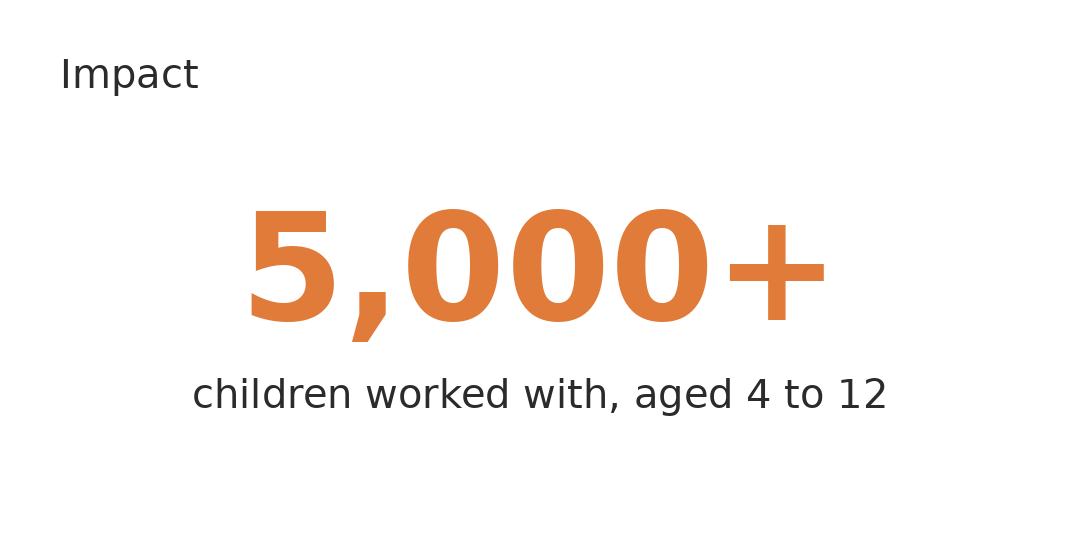
BodhiShishu offers three ways to build emotional intelligence, focus and confidence in children aged 4 to 12. Structured programmes reach children directly, teacher training certification prepares anyone who will teach them, and year-long curriculum design brings the same skills into schools.
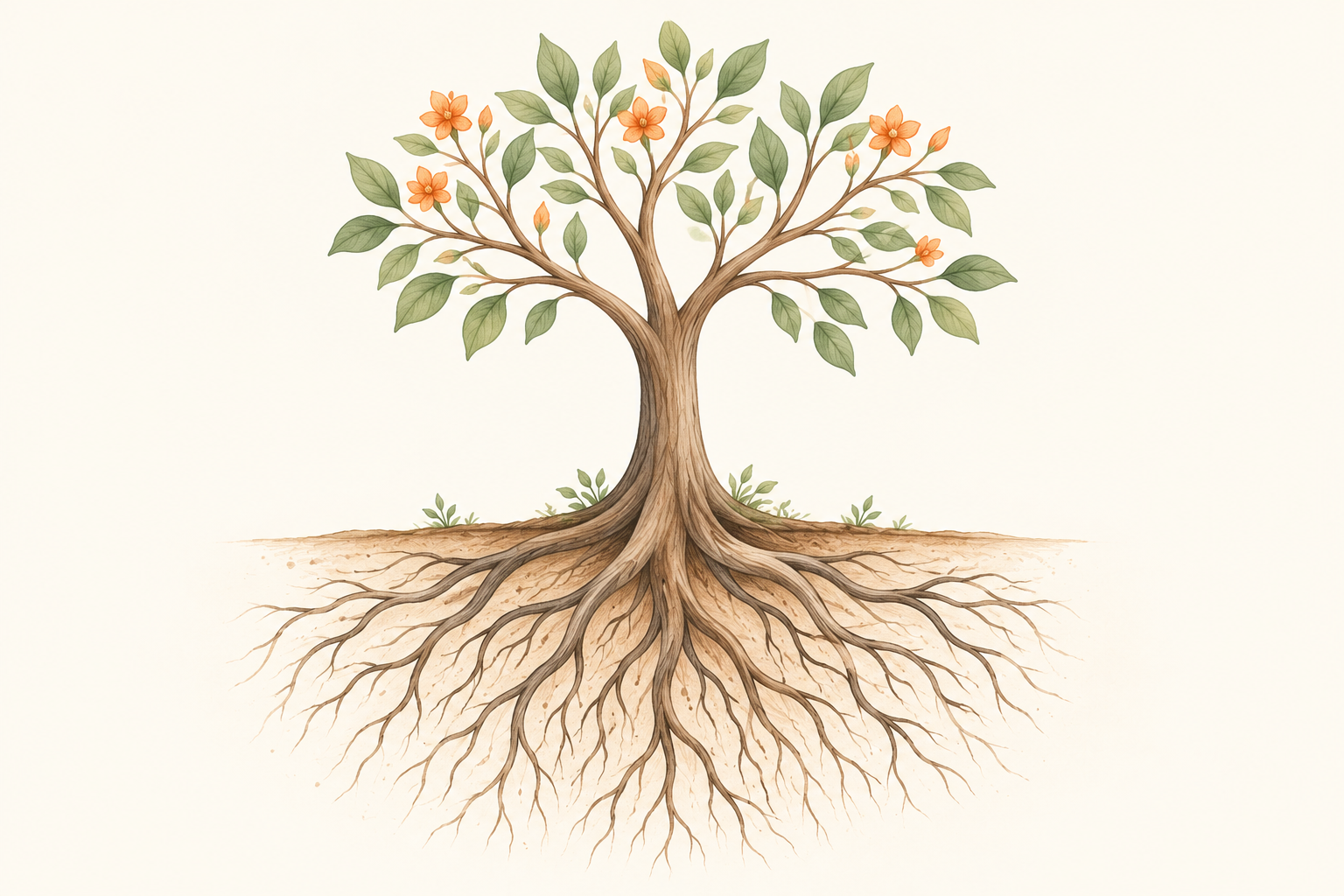
The Tree of Growth™ is the master framework of the BodhiShishu Method™. It describes how a child develops the way a tree grows, from the roots up, because a child cannot focus, express themselves or lead without a secure foundation beneath them.
Roots: emotional foundations. The roots are safety, trust, connection and belonging. Before a child can learn anything difficult, they need to feel that the adults around them are reliable and that they are wanted in the room. Roots are built through many small moments of being heard, not through a single lesson.
Trunk: core capacities. The trunk holds emotional regulation, self-awareness and focus. It keeps a child steady when circumstances change, and it allows growth to move in many directions at once.
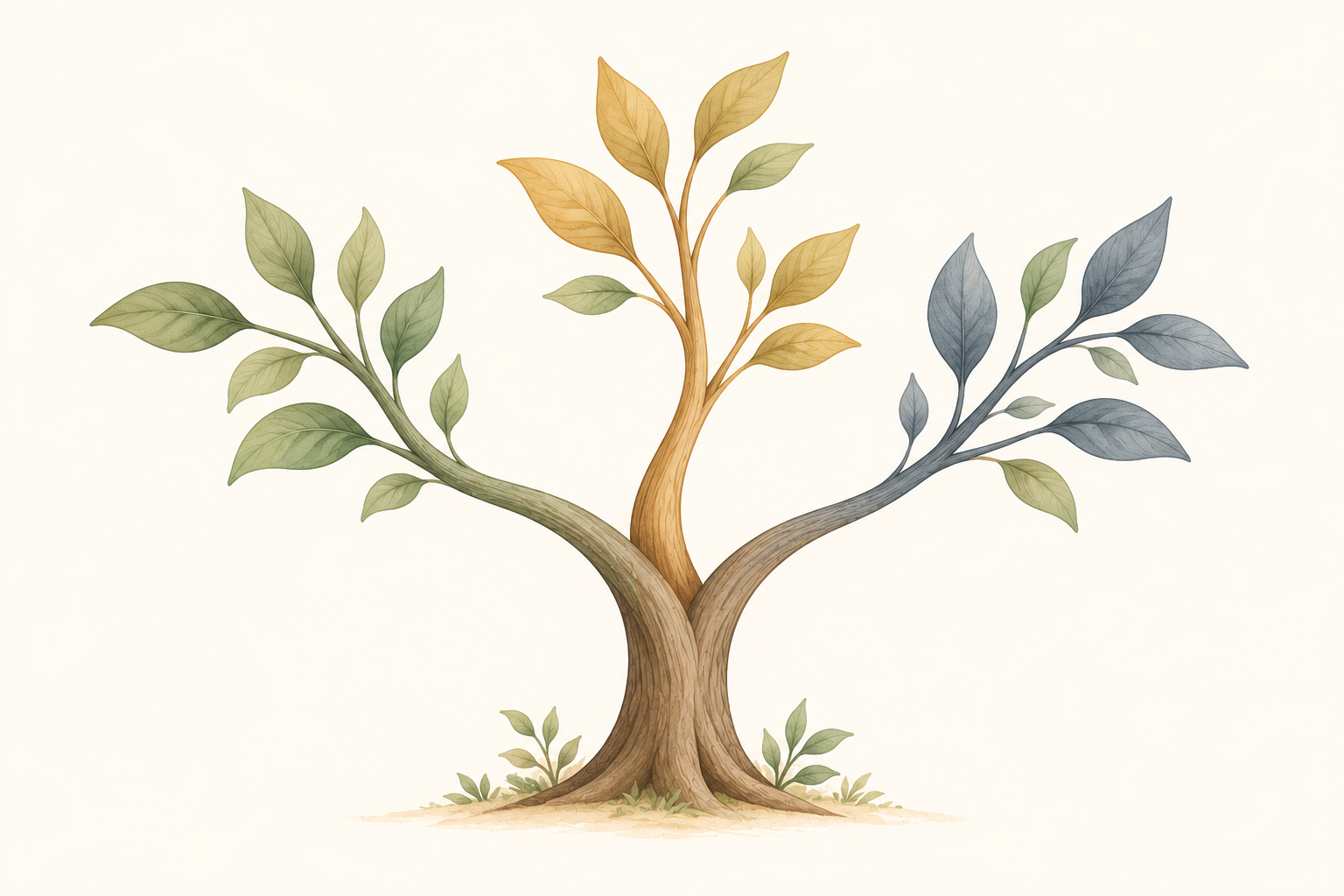
Branches: the three flagship domains. The branches are Emotional Intelligence, Focus and Concentration, and Confidence and Communication. Each reaches toward a different part of a child’s life, from play and friendships to the classroom and the family table.
Leaves: daily habits. The leaves are practice, reflection, meaningful experiences and routines. This is where growth becomes part of an ordinary day, such as a child naming a feeling before a difficult moment.
Flowers: visible progress. The flowers are curiosity, participation, expression and positive relationships. They are the signs a parent or teacher notices when growth is happening, such as a child asking a question they would once have been too shy to voice.
Fruit: long-term outcomes. The fruit is confidence, resilience, empathy, independent thinking and leadership. These are the outcomes that stay with a child into adulthood.
The tree is not a ladder to be climbed in order. Growth is uneven and personal, and every technique, activity and assessment in BodhiShishu connects to at least one part of the tree.
The seven BodhiShishu Principles™ are the beliefs that shape every lesson and every facilitator’s approach. They are the standard against which every programme is measured.
1. Every Child Grows at Their Own Pace™. Children do not develop on a single timetable, and comparison makes many children feel smaller. Programmes meet each child where they are and recognise progress that a checklist would miss.
2. Connection Before Correction™. A child who does not feel safe will not hear instructions. Relationship comes first, and guidance works only after it is in place.
3. Behaviour is Communication™. Every behaviour carries a message, even when the child cannot yet put it into words. A child who hits may be overwhelmed. A child who refuses may be afraid of failing.
4. Joy Accelerates Learning™. Children learn most deeply when they are engaged and at ease. Anxiety narrows attention, while joy opens it, so BodhiShishu activities use movement, play, stories and hands-on experience.
5. Progress Over Perfection™. A child who attempts something new and stumbles has achieved more than one who avoids the attempt. Growth in courage, persistence and willingness counts as much as correct answers.
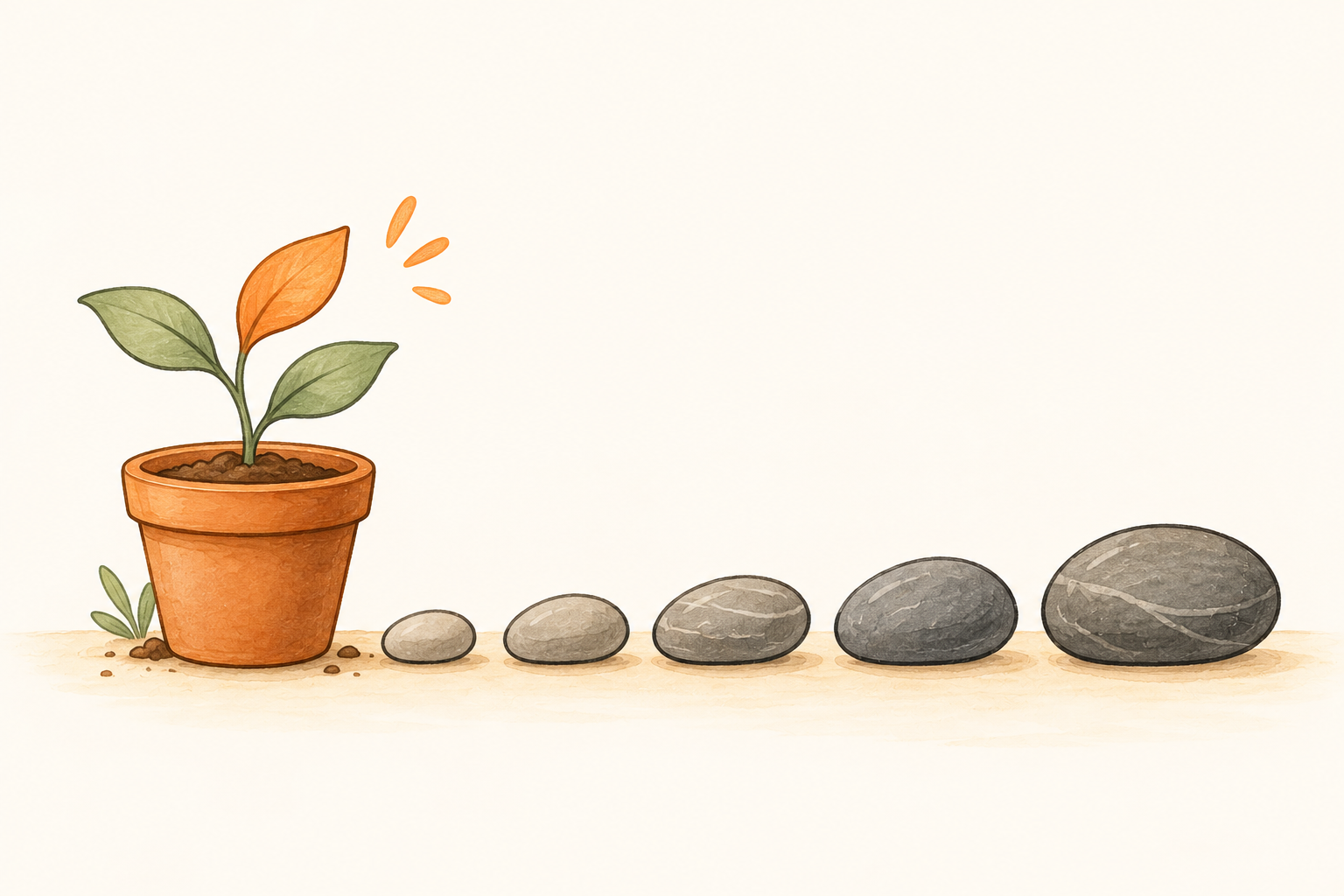
6. Small Steps Create Lasting Change™. Lasting change accumulates through short, repeated practices that families and schools can sustain over weeks and months.
7. Facilitators Guide, They Don’t Fix™. Children are not broken, and adults are not repair workers. A facilitator creates the conditions in which a child discovers their own strength.
BodhiShishu teaches three flagship domains for children aged 4 to 12: Emotional Intelligence, Focus and Concentration, and Confidence and Communication. Each domain is available on its own, so parents, teachers and schools can choose the area where a child needs the most support, such as emotional intelligence for kids, focus building for kids or public speaking for kids.
The approach changes with age, but the aim stays the same across Emotional Intelligence, Focus and Concentration, and Confidence and Communication: to help each child build skills they can use well. For children aged 4 to 6, activities are playful and hands-on, using simple words, picture cards and movement, so that focus building for kids and emotional intelligence for kids feel like play. For children aged 7 to 9, children become active investigators, noticing what helps them concentrate, how strong a feeling is, and what triggers it. For children aged 10 to 12, learning becomes more reflective, with precise emotional vocabulary, self-directed practice and speaking in front of others, which supports public speaking for kids and confidence building for kids.
Emotional intelligence for kids is the ability to recognise, name and manage one’s own feelings, and to recognise the feelings of others. It is the foundation for managing big feelings at home, at school and with friends, and it is the starting point for most families looking for anger management for kids, anxiety in kids or emotional regulation for kids.
The programme works with the full range of everyday feelings, not only the difficult ones. Children learn to name joy, pride and gratitude as well as sadness, disappointment and loneliness, so that they understand the whole of their emotional life rather than only the parts that cause trouble. Naming a feeling precisely is itself a way of managing it, because a child who can say “I’m disappointed” rather than “I’m fine” has more information to work with and more ways to respond.
Anger is one of the most important feelings the programme addresses. Children learn to recognise frustration and irritation early, to look beneath anger for the hurt, embarrassment or fear that often sits underneath it, and to use effective tools to slow the escalation before it becomes an outburst. Fear and anxiety are approached in the same spirit: children learn to name worry and nervousness, calm their bodies, and take small, manageable steps, which makes anxiety less overwhelming over time.
Focus and concentration for kids is the ability to pay sustained attention and stay with a task until it is finished. This domain is designed for parents and teachers looking for focus building for kids, concentration activities for kids or ways to help a child settle into learning. A child who can focus can follow instructions, complete homework, and enjoy the satisfaction of finishing something they started. The activities are short, playful and hands-on, because joy supports attention in children, and they build focus step by step, in line with the principle that small steps create lasting change.
Confidence and communication for kids is the ability to speak up, share ideas and trust one’s own voice. It is the domain for families searching for confidence building for kids, public speaking for kids, or ways to help a shy child take part in group activities. A child who communicates with confidence can introduce themselves, ask for help, answer questions in class, and express what they think without fear of getting it wrong. Practice is gentle and progressive, so that a child grows in courage without being put on the spot before they are ready.
"My child has enjoyed every single minute of this training and has come away feeling confident and stress-free. The course structure, the techniques and the methodology were all fantastic"
- Amita Naga, (Anger Management for Kids)
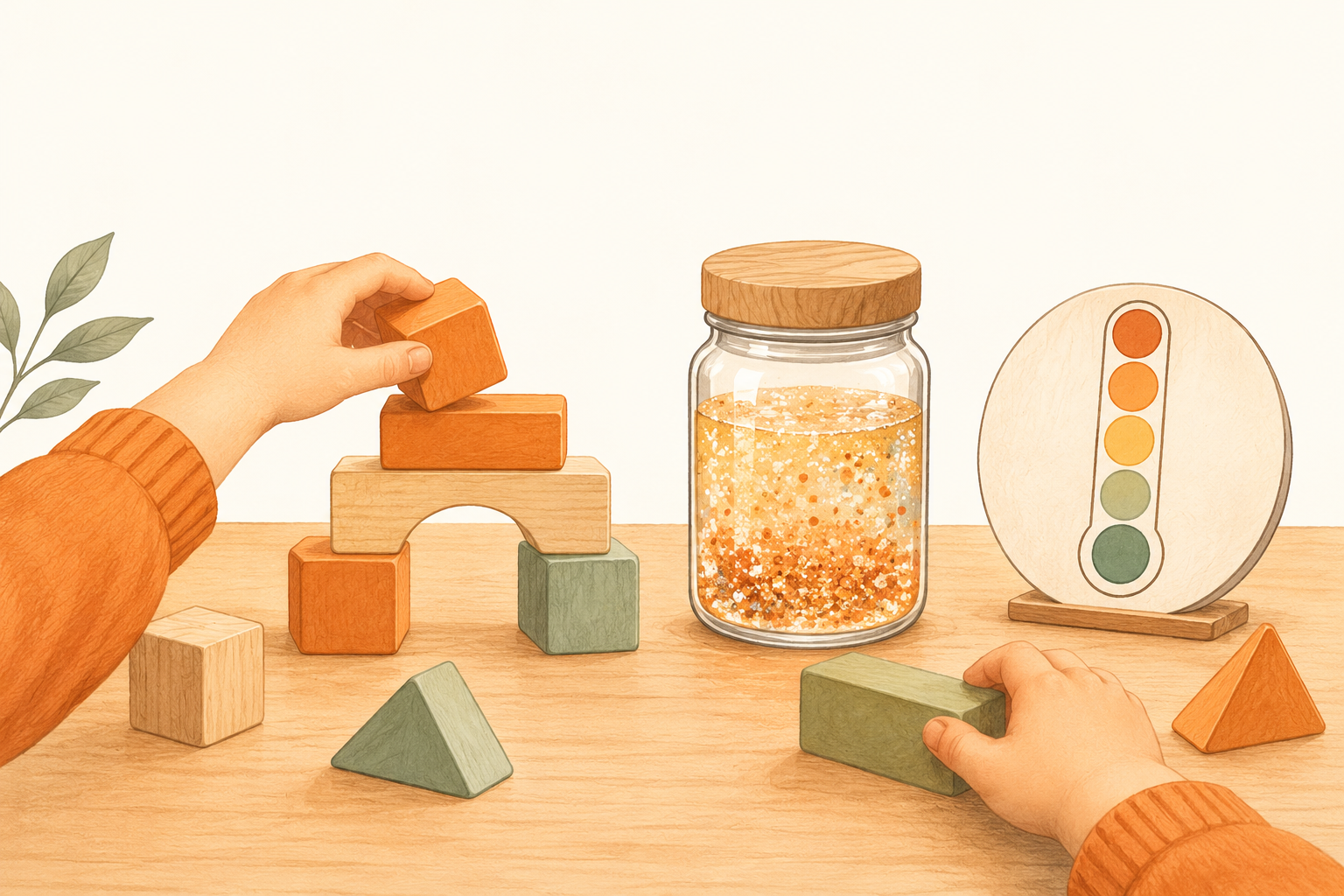
BodhiShishu programmes keep children engaged through play, stories and hands-on activities, because children learn most readily when they are enjoying themselves. Joy is part of the method, not a reward at the end. Activities are matched to each age group, from picture-led games for children aged 4 to 6 to more reflective challenges for those aged 10 to 12.
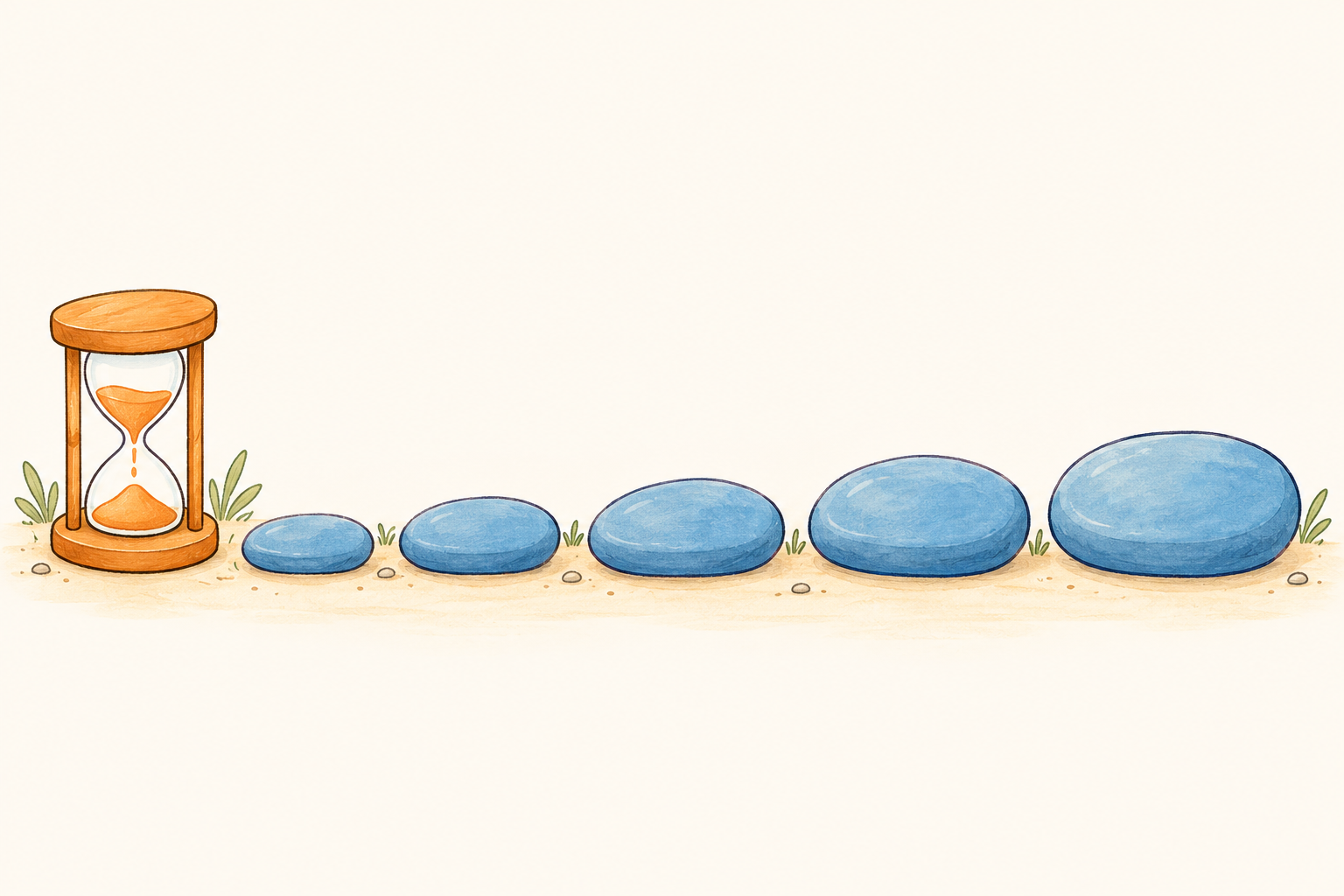 Short, Structured Sessions: Every Session Follows a Proven Flow
Every BodhiShishu session follows a consistent five-part flow, so children know what to expect and can settle in quickly. Sessions are short and focused, designed around the attention span of each age group. Because the structure stays the same, children spend their energy on learning rather than working out what comes next.
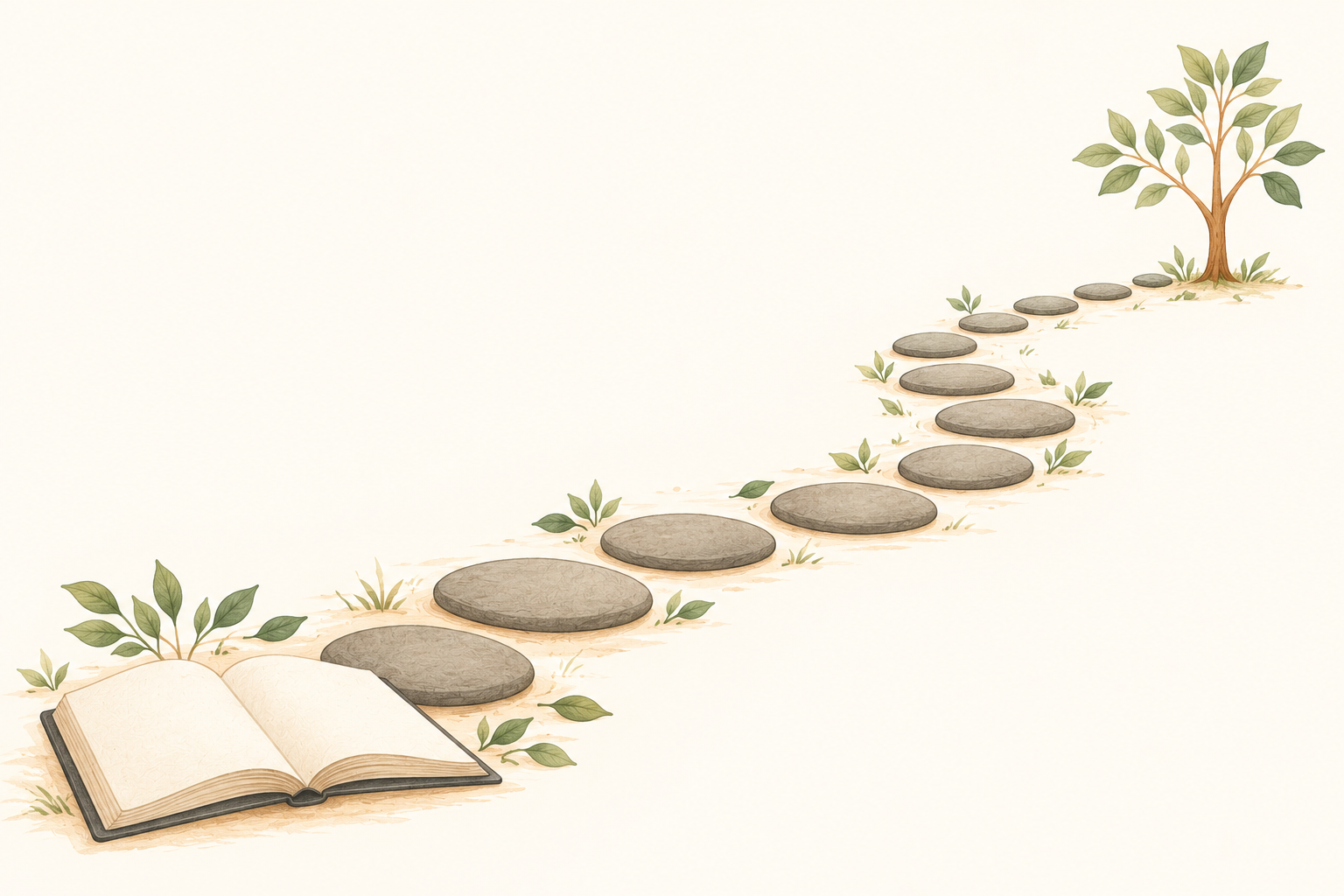
BodhiShishu skills last because they are built through small steps and regular practice, and each step is repeated until it feels natural. Children practise each technique in sessions and between them at home, so the skill becomes familiar and easier to use over time. Progress comes steadily, rather than in one dramatic moment, and it stays with the child.
My child was so shy, she wouldn't go on the stage at all. After this program, she has become confident enough to speak in front of others and even on the stage. I am quite relieved!
By Ragini Matreja, (Public Speaking for Kids)
My 8 year old is loving this program. She has been very stressed due to the pandemic, and through the techniques, this program is helping her deal with it. Great job!
By Shankar Sharma, (Emotional Intelligence for Kids)
The techniques shared in the program have helped my child manage anger, & be more calm & relaxed. The stories are very captivating & relatable. The techniques are very effective.
By Rachel Menezes, (Anger Management for Kids)
Whether you’re looking for structured programmes for children aged 4 to 12, a teacher training certification in child development, or year-long curriculum design for schools, start with the path that fits your needs.
 Launch your Graphy