
Focus and Concentration for Children Ages 7 to 9
Contact us

Focus and Concentration for Children Ages 7 to 9

A structured programme that helps children settle their bodies and minds, and build the ability to focus for longer, through breathing, mindfulness and meditation adapted for their age.

Focus is a skill, and it can be trained. Six one-to-one online sessions, with daily practice at home, help your child build it through repetition and consistency.

BodhiShishu- A Trusted Brand

Why Does Focus Slip When Your Child Is Doing Their Best?

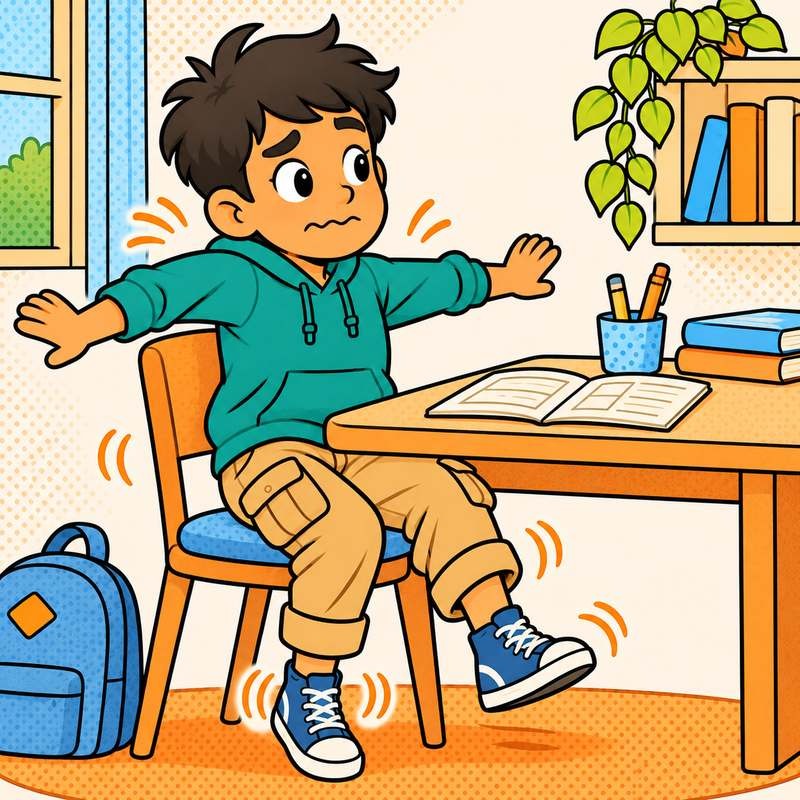
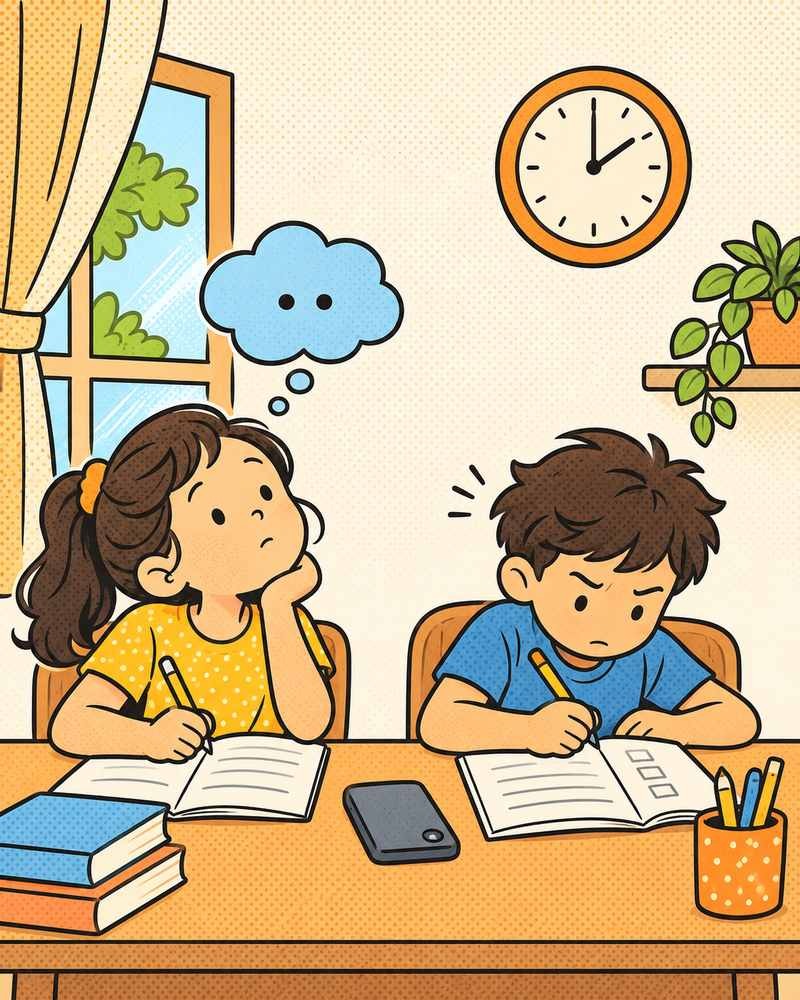
When homework becomes a daily battle
It starts with good intentions. Your child sits down, opens the book and picks up a pencil. Ten minutes later, they’re looking out of the window, asking for water, or tidying the desk. You remind them, they return to the page, and then drift again. By the end of the evening, the homework is done, but both of you are worn out, and it has taken twice as long as it should.

When the page stops making sense
Your child reads a paragraph and can’t tell you what it said. They start a worksheet and lose their place halfway down. Mistakes creep in because they rushed to finish, not because they didn’t understand. You’ve noticed that the same instruction has to be repeated before it lands, and that they seem to know the answer but can’t hold onto it long enough to write it down.

When worry takes up the space that focus needs
A friendship has gone wrong, or a test is coming up, or they’re not sure whether they fit in with the group. Their mind is busy with these feelings, so there’s less room left for the task in front of them. Many parents notice this in the car, at the dinner table or at bedtime, when a child seems to be somewhere else entirely. Focus does not come from trying harder. It comes when a child feels settled enough to notice the task and stay with it.
Why Common Approaches Don’t Help Children Aged 7 to 9 Build Focus

Most parents have tried the usual responses. They remind, they bargain, they take the phone away, or they tell their child to try harder. These responses come from care, and they make sense in the moment. But at this age, they tend to treat the symptom rather than the skill underneath it.

Reminders keep the task going, but don’t build the skill

Each reminder pulls your child back to the page, but it also means someone else is holding their attention for them. When the reminders stop, the drifting returns. The child learns to wait for the next prompt rather than noticing and returning on their own.

Removing distractions helps only for a while

Taking away the phone or the television creates a quieter room, and that helps. But distractions are everywhere: in the classroom, at a friend’s house and in the thoughts a child carries with them. A child who has only practised focus in a quiet room has not yet learned to hold it when the room gets noisy.

Pressure and rules create tension, not focus

Stricter homework rules or longer hours at the desk can make a child feel more anxious, and an anxious mind has less room for the task. When a child feels that they are always being judged, attention tends to narrow onto the fear of getting it wrong rather than onto the work itself.

Focus at this age is not a matter of effort or character. It is a trainable skill, and it grows when children practise it in small, repeated steps with a calm and settled body.

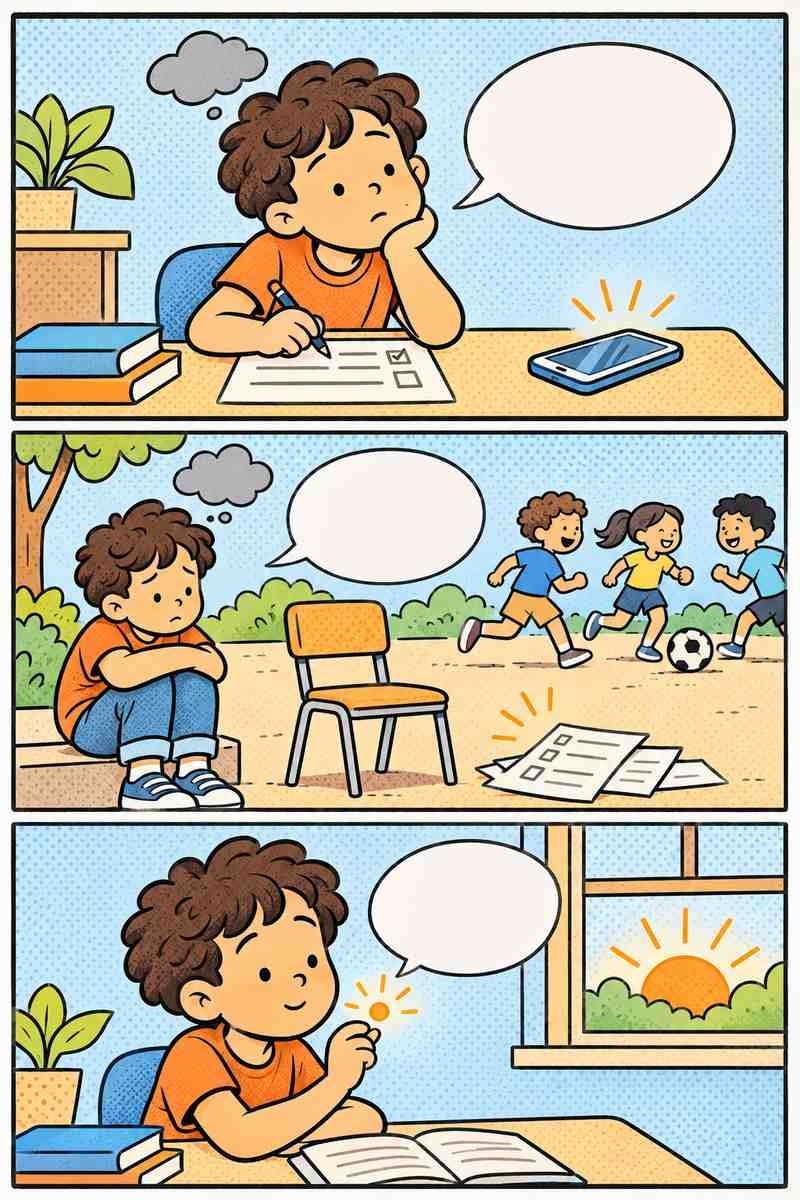
What Happens When Attention Is Left Untrained?

Attention that isn’t trained doesn’t stay still. It shapes a child’s days, their learning and their sense of themselves, often in quiet ways that build up over time.

What it can look like now

  • Homework takes far longer than it should, and every evening ends in reminders and frustration.
  • Reading and classwork feel like a battle, and children lose their place or miss key instructions.
  • Careless mistakes creep in because the child rushed to finish rather than checked their work.
  • The child feels they are “bad at school,” even when they understand the material.
  • Family time and play are interrupted by restlessness, and the child struggles to settle at bedtime.

What it can cost later

  • Learning gaps widen, because each lesson builds on the last and a missed step is harder to recover as the work becomes more demanding.
  • Confidence falls, and children may begin to avoid tasks they find hard before they have tried them.
  • Friendships and group work suffer, because it is harder to listen, take turns and stay with a shared activity.
  • Independent study becomes harder to manage, so more of the load falls on parents and teachers.
  • Stress increases for the whole family, and the habit of struggling with attention can carry into adolescence.

Attention is not fixed. A child who is given regular, structured practice can learn to notice when their focus has drifted and bring it back. The earlier this skill is built, the more naturally it becomes part of everyday life.

Help Your Child Build Focus That Lasts

Focus is a skill, and it can be trained. Get our information brochure for the Focus and Concentration Programme for Children Aged 7 to 9, and see how small daily practices can help your child settle, stay with their work and return to it with confidence.

Introducing: Focus and Concentration Programme for Children Aged 7 to 9

The Focus and Concentration Programme for Children Aged 7 to 9 is a structured, one-to-one online programme that runs over 45 days. It helps children build the ability to settle, notice and stay with a task, using breathing, sensory regulation, meditation, mindfulness and practical attention skills adapted for this age.

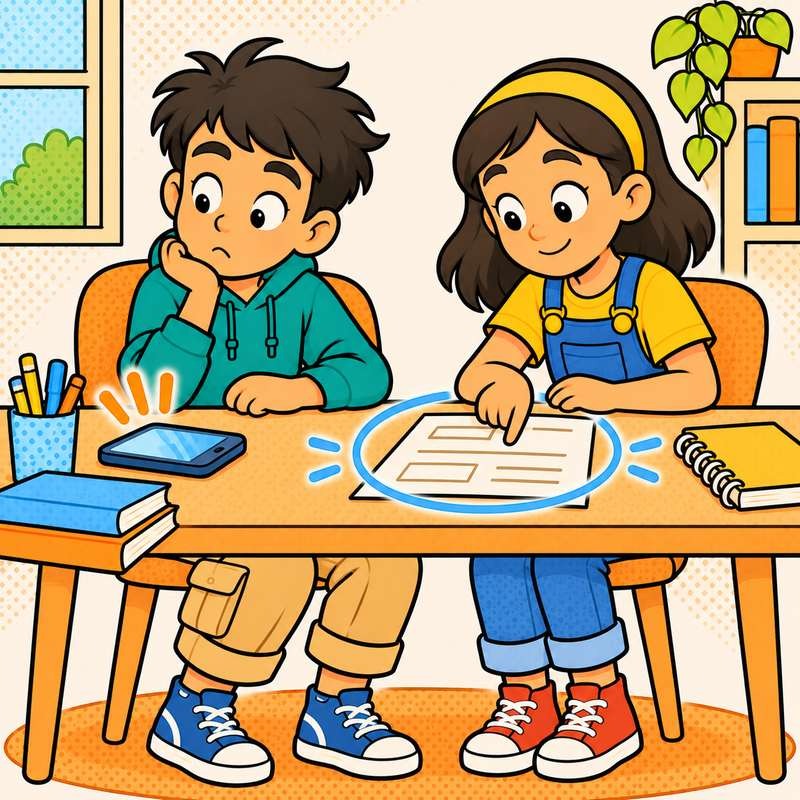
Each child meets Maya and Dev, two friends their own age who face the same everyday challenges: homework that drifts, a page they lose their place on, and the pull of a phone or a noisy room. Through their stories, children see the skill modelled before they practise it themselves.

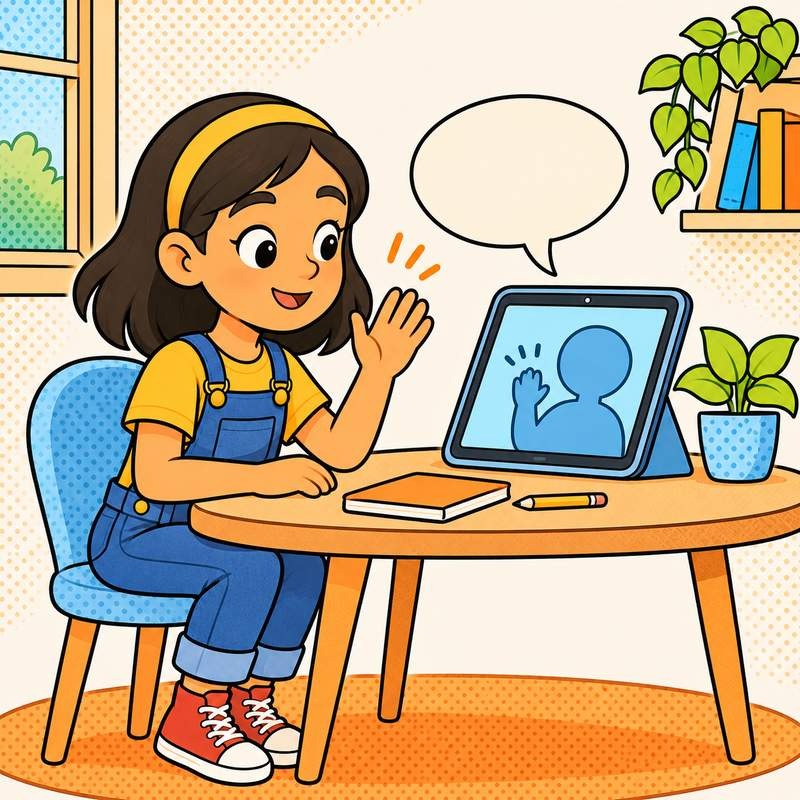
The programme includes six live, one-to-one online sessions of 30 minutes each, one for each week. Each session introduces a new skill, and the child practises it live with Ms Darshan personally. Between sessions, children carry out a short daily practice of three to five minutes at home, at the same time each day, so the skill becomes familiar and easy to use.

Parents are part of the programme from the start. After each session, a short two-minute conversation shares one thing the child noticed, and parents receive simple guidance on how to support the week’s skill at home.

Visual, Auditory and Kinesthetic Learning in the Focus Programme for Children Aged 7 to 9

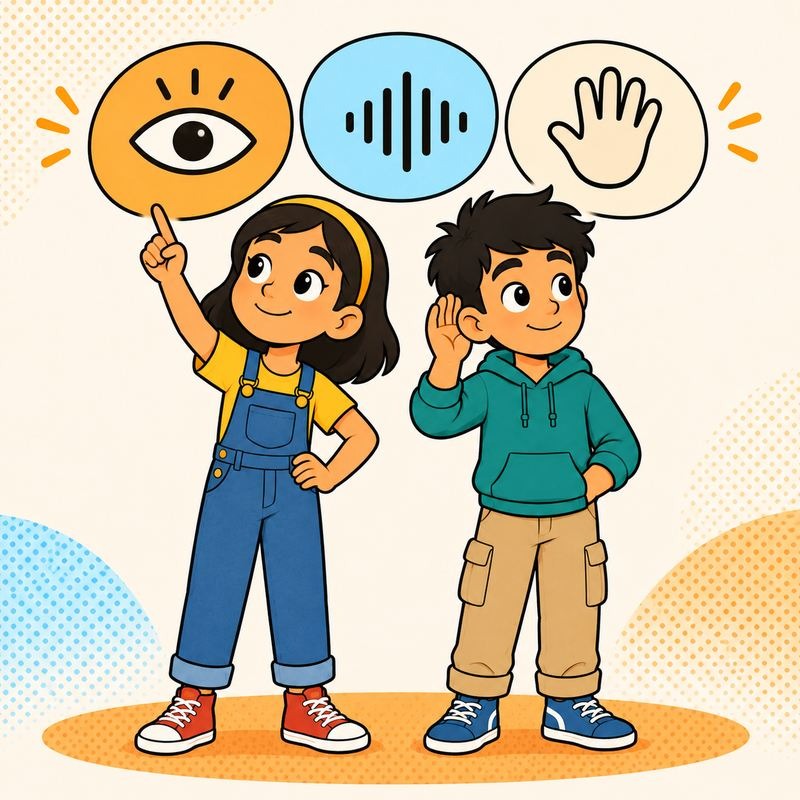
Children take in the world in different ways. Some learn best by seeing, some by hearing and some by touching and moving. In the Focus and Concentration Programme for Children Aged 7 to 9, each skill is taught through all three of these approaches: visual (Watch), auditory (Listen) and kinesthetic (Feel). Every child receives all three in every session, so no child is limited to one way of learning.

Each week, the same skill is presented in three forms.

Watch (Visual)

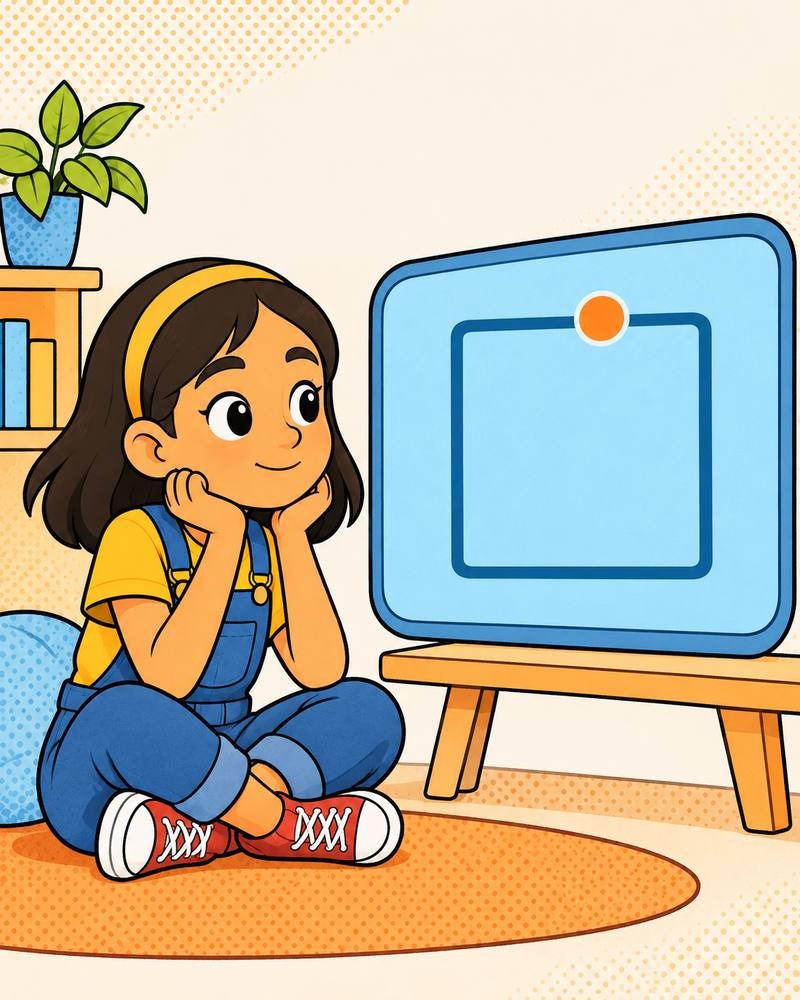
Children see the technique in action first. In the first week, a dot moves around a square on screen, in time with the breath, so the child can follow the pattern with their eyes. Maya and Dev model the skill in their stories before the child tries it.

Listen (Auditory)

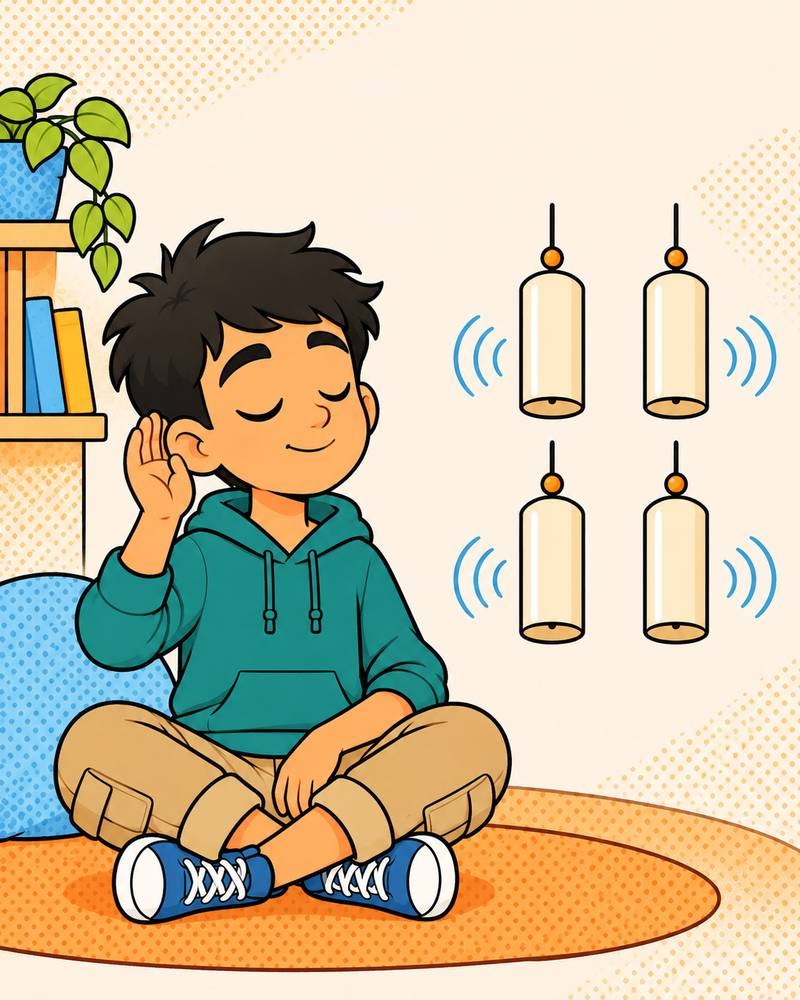
Children hear the technique through a sound, a rhythm or a spoken cue. In the same week, four evenly spaced tones mark each side of the square, so the child can follow the pattern without needing to look.

Feel (Kinesthetic)

Children practise the technique through their own bodies. In the first week, a child traces the four sides of a square with a fingertip on their palm or a desk. Feeling the skill makes it easier to remember when they need it at school or at home.

Children who respond quickly to one form still benefit from the others, and children who find one form harder are supported by the rest. Over six weeks, this helps every child build focus that holds up across different moments and different settings.

What Makes This Programme Unique

Every skill, taught three ways

Most programmes teach one method and hope it suits every child. In this programme, each technique is taught through watching, listening and feeling, every week. Children receive all three forms in every session, so a skill is never tied to a single way of learning. This gives each child more than one route into focus, and that flexibility carries into the moments that matter, such as a noisy classroom or a long homework task.

Stories that children can see themselves in

Maya and Dev are friends who face the same everyday challenges as children their age: homework that drifts, a page they lose their place on, and the pull of a phone or a busy room. Each week, a short story shows the skill in action before the child practises it. Children see Maya and Dev stumble, recover and try again, and this gives them a model to follow.

Six weeks, one skill at a time

The programme moves in a deliberate order. It begins with breathing to settle the body, then builds through sensory regulation, meditation, mindfulness and noticing when attention has drifted. The final week brings in distraction-proofing. Each week is a complete lesson with its own new technique, so children build on a clear foundation rather than repeating what they have already learned.

Live, one-to-one sessions

Each child works with Ms Darshan, who personally conducts the sessions in a live online format, not in a group or from a recording. Darshan watches how the child responds, adjusts the pace and offers support where it is needed. This personal attention means the programme fits the child rather than the other way round.

Practice that fits into ordinary days

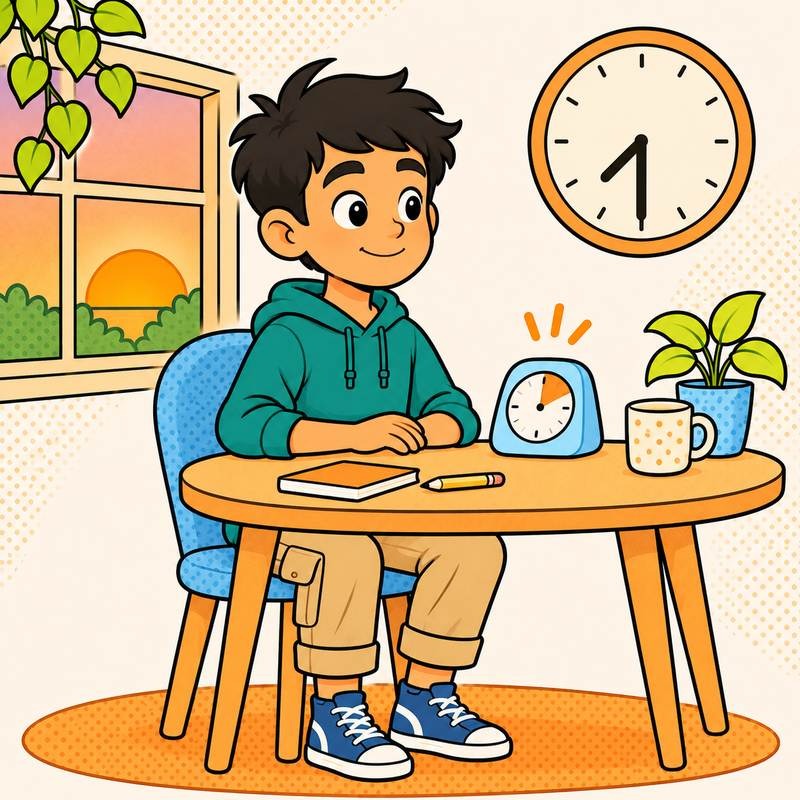
Children practise for three to five minutes at home each day, at the same time and in the same way. Because the routine is short and predictable, it becomes a habit rather than another task to remember. Consistency and repetition are the two pillars of the programme, and they are what make the skills last.

Parents as partners, and grounded in research

Parents receive a short debrief after each session, with one thing their child noticed and simple guidance on how to support the week’s skill at home. The programme is grounded in research on early childhood development, self-regulation and attention, and it is designed to be practical for families, not just for classrooms.

How the 45-Day Focus and Concentration Programme Works for Children Aged 7 to 9

The programme runs over 45 days, with a clear rhythm that fits around school, homework and family life. Each part has a specific job, and together they help a skill grow into a habit.

45 days

The programme runs across 45 days, giving the skills time to settle. Children practise each week’s skill in the sessions and at home, so it has room to take root before the next one begins.

6 one-to-one sessions

One-to-one sessions with Darshan, one each week, each introducing a new skill for focus through short, age-appropriate practices.

30 minutes each

Each session lasts 30 minutes, long enough to practise a skill properly and short enough to hold a child’s attention. Every session follows the same shape: a warm opening, a short story with Maya and Dev, the week’s skill practised in three ways, and a calm close.

3 to 5 minutes daily

Between sessions, your child practises the week’s skill for 3 to 5 minutes each day, at the same time, in the same way. Because the practice is short and predictable, it becomes part of the routine rather than another task to remember.

After each session, a two-minute conversation with the parent shares one thing your child noticed, and you receive simple guidance on how to support your child with the week’s skill at home.

Meet Maya and Dev in the Focus and Concentration Programme for Children Aged 7 to 9

Maya and Dev are two friends the same age as the children in the programme. Each week, one of them faces a everyday attention challenge, and the story shows how they work through it. Children see themselves in these stories, and they watch the skill in action before they try it.

Maya

Maya is a curious, determined friend who sometimes loses her place when reading aloud or gets pulled off-track by her own thoughts. Her stories show how a steady breath and a calm moment can help her find her way back.

Dev

Dev is an energetic friend who finds it hard to sit still and is easily drawn toward a phone or a busy room. His stories show how movement, noticing and gentle returning help him settle and stay with his work.

Help Your Child Build Focus That Lasts

Focus is a skill, and it can be trained. Get our information brochure for the Focus and Concentration Programme for Children Aged 7 to 9, and see how small daily practices can help your child settle, stay with their work and return to it with confidence.

Six Weeks of Focus, One Skill at a Time

Each week builds a single skill, and the six together form a clear path from a settled body to focus that holds up in everyday life.

01

Week 1: Calming the body and breath

Your child learns to settle their body and slow their breathing, so that attention has a calm place to begin.

02

Week 2: Releasing tension so the body can be still

Your child learns to notice tension in their body, let it go, and find comfort in staying still for a moment.

03

Week 3: Training attention to return when it wanders

Your child learns that a wandering mind is normal, and practises noticing when it has drifted and bringing it back.

04

Week 4: Checking in with what is happening during a task

Your child learns to pause during ordinary work, look again at what they are doing, and continue with more care.

05

Week 5: Noticing when focus slips, and recovering it

Your child learns to recognise when their attention has drifted during their own schoolwork, and to find their way back without needing a reminder.

06

Week 6: Holding focus when something pulls at it

Your child practises staying with a task even when a distraction is nearby, noticing the pull and returning to what they are doing.

Two Learning Pillars for Lasting Focus: Repetition and Consistency

Focus does not come from one big effort. It grows from small practices, done every day, that add up over time. The programme rests on two pillars that turn those small practices into lasting results.

Repetition

Children learn by doing the same thing many times. Each week, the breathing practice, the body-based activity and the story with Maya and Dev return in familiar form, so the child begins to recognise what comes next and what to do. A few minutes of practice, repeated again and again, gives attention a chance to become a habit, so that settling and returning to a task start to feel easier over time.

Consistency

The second pillar is the daily rhythm of the home practice: the same time each day, the same calming cue at the start, and the same short routine. When practice happens at the same time, in the same way, every day, it becomes part of the child’s day rather than an occasional effort. A single long session once in a while does far less than a few minutes practised every day. Because the practice is short, it is easy for the whole family to keep up, and that steady rhythm is what carries the skill from the programme into everyday life.

The Emotions and Situations It Helps With

Attention is closely tied to feelings. A child who feels restless, embarrassed or worried will often find it hard to stay with a task, and a child who feels calm and interested can settle into one more easily. The Focus and Concentration Programme for Children Aged 7 to 9 works with these feelings directly, so that children learn to notice them and return to what they are doing.

Restlessness during homework

A child who cannot stay in their seat may be carrying tension in their body. The programme uses breathing and simple body-based practice to help them settle, then brings their attention back to the task.

Frustration after a mistake

When a sum goes wrong or a sentence has to be rewritten, a child may give up quickly. The programme helps them notice the feeling, pause, look again and continue with a small, manageable step.

Distraction from a phone or a busy room

A  phone face-up on the desk or a noisy room can pull attention in many directions. The programme gives children simple ways to notice the pull and choose their task again.

Worry about friends or tests

A friendship that has gone wrong or a test coming up can take up so much mental space that there is little room left for the work. The programme helps children name what they are feeling and bring their attention back to what is in front of them.

Losing track during reading

A child may read a whole page and remember nothing, or lose their place halfway down. The programme helps them notice when their attention has drifted and return to the words they are reading.

Help Your Child Build Focus That Lasts

Focus is a skill, and it can be trained. Get our information brochure for the Focus and Concentration Programme for Children Aged 7 to 9, and see how small daily practices can help your child settle, stay with their work and return to it with confidence.

About Darshan: Why Parents Trust Me With Their Child's Transformation

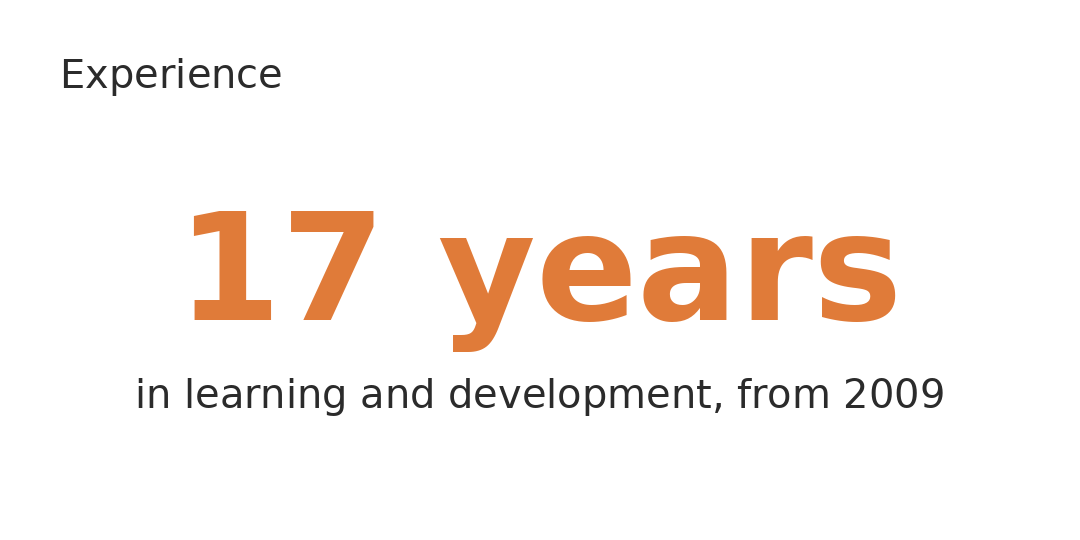
Ms Darshan Bawa is the founder of BodhiShishu, a child development company that helps children aged 4 to 12 build emotional intelligence, focus and confidence. She has worked in learning and development since 2009, and she has been working directly with children since 2016. Her work centres on helping children understand and manage their feelings in ways that last.

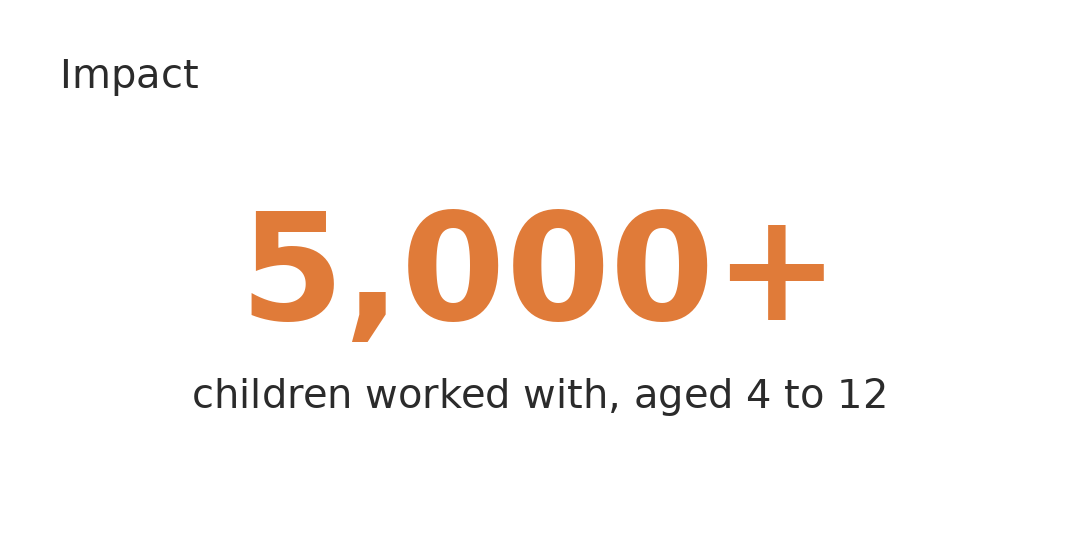
Under her leadership, BodhiShishu has supported more than 5,000 children through structured, research-informed programmes. Her approach, the BodhiShishu Method™, is built around the belief that every child grows at their own pace, and that connection comes before correction. Parents work with her directly, so each child is supported by someone who knows their progress.

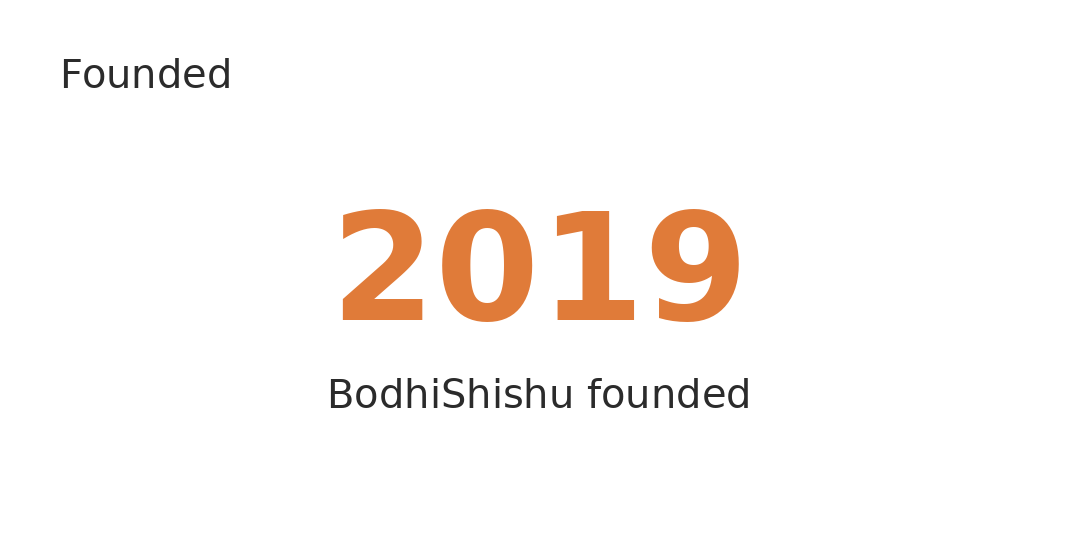
Ms Darshan Bawa is Berkeley Certified in Emotional Intelligence. BodhiShishu was founded in 2019, incubated at IIM Bangalore and Stanford Seed, and has been featured in The Times of India. Parents can read more about her story, her qualifications and the BodhiShishu approach on our About Us page.

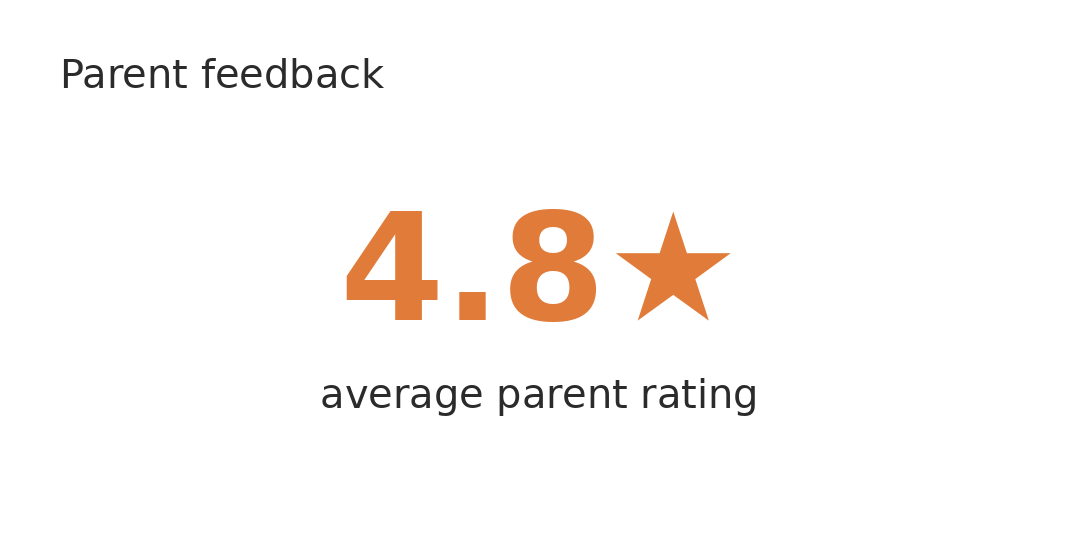
What parents have to say...

91%

Parents agree that our courses improved focus and concentration in their children.

89%

Parents noticed an improvement in the emotional health and anger management in their kids.

93%

Parents agree that our courses helped their kids with confidence building and communication skills.

“It is easier to build strong children than to repair broken adults.”

–Frederick Douglass

Frequently Asked Questions

Is this programme suitable for my child?

The Focus and Concentration Programme for Children Aged 7 to 9 is designed for children who find it hard to settle, stay with homework or reading, or return to a task after being distracted. Every child grows at their own pace, so the programme is designed to meet each child where they are.

Who runs the sessions?

Ms Darshan Bawa, founder of BodhiShishu, personally runs all six one-to-one online sessions. Each session is live, so Darshan can see how your child responds and adjust the pace.

How long does the programme last?

The programme runs over 45 days, with six one-to-one online sessions, one for each week of the programme.

How long is each session?

Each session lasts 30 minutes.

How much practice happens at home?

Between sessions, your child practises the week’s skill for three to five minutes each day, at the same time and in the same way. The practice is short so that it fits into everyday routines.

What will my child learn in the six weeks?

Each week builds one skill, moving from calming the body and breath to releasing tension, training attention to return when it wanders, checking in during a task, noticing when focus slips, and holding focus when something pulls at it.

What is the role of the parent?

Parents are partners in the programme. After each session, a two-minute conversation shares one thing your child noticed, and you receive simple guidance on how to support the week’s skill at home.

Will this help my child at school as well?

The skills taught in the programme, such as settling, noticing and returning to a task, can be used in any setting, including homework, reading and the classroom. Parents often find that the calmer, more focused habits they see at home carry over into school.

Does this replace professional support for attention difficulties?

No. The programme builds focus skills through daily practice. For a child with significant attention difficulties, it works best alongside professional support, not instead of it.

Help Your Child Build Focus That Lasts

Focus is a skill, and it can be trained. Get our information brochure for the Focus and Concentration Programme for Children Aged 7 to 9, and see how small daily practices can help your child settle, stay with their work and return to it with confidence.