There are no items in your cart
Add More
Add More
| Item Details | Price | ||
|---|---|---|---|

A six-week online emotional intelligence programme that helps children aged 10 to 12 understand their emotions, manage anger, build patience, handle conflict and calm worry, with a daily feelings journal and parent updates.
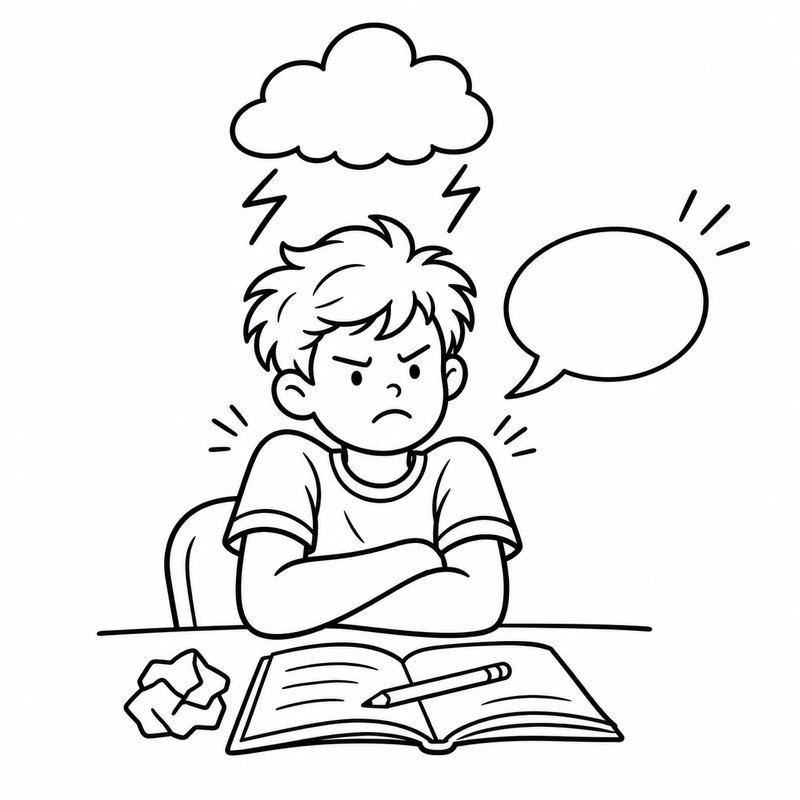
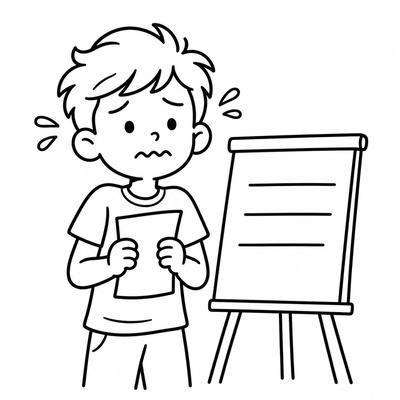
Many parents of children aged 10 to 12 notice a change they find hard to read. A child who once talked openly goes quiet, slams a door after a disagreement with a friend, or refuses to go to school before a test. These moments are common at this age, and they do not mean your child is simply being difficult. They usually mean a child is facing feelings they have not yet learned to name or manage.
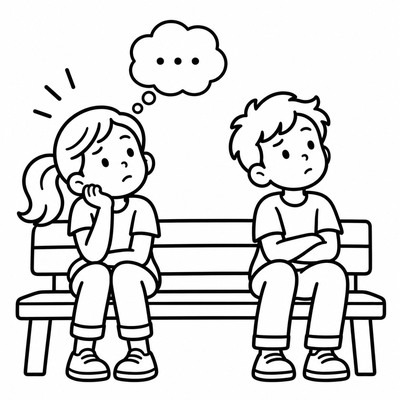
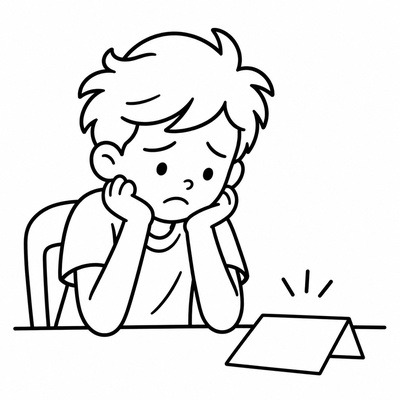
Withdrawal and silence. Some children respond to difficult feelings by pulling back. They stop talking at dinner, spend more time alone, and answer “I’m fine” to every question. Silence can hide frustration, sadness or worry, and it can be hard for parents to know how to reach their child.
Peer conflict and group chats. Arguments with friends at this age often play out in group chats, where a single message can be misread, shared or left unanswered. Children can feel hurt, angry or left out, and they may not yet know how to say so directly.
Self-consciousness. Children aged 10 to 12 are very aware of how they appear to others. A small comment about appearance or ability can lead to embarrassment, anger or avoidance, especially in front of classmates.
Worry before tests and performances. A school test, a sports match or a presentation can bring worry that builds for days. Some children seem fine on the outside but struggle to sleep, avoid the task or become irritable at home.
If your child’s withdrawal is severe or lasting, or if they talk about hurting themselves, please speak to your child’s doctor or a qualified professional straight away, alongside this programme.
Most parents have tried several approaches, and most have good reasons for trying them.
1
Explaining what went wrong, or asking “what’s wrong?” again and again, often pushes a child further into silence. Many children at this age need time to find the words before they can talk about a feeling.
2
Removing a phone can stop an immediate argument, but it does not show a child how to handle the feeling behind it. It can also leave them feeling isolated from the friendships that matter most to them.
3
Dismissing a feeling, such as “it’s not a big deal”, can make a child less willing to share. It can leave them feeling misunderstood, even when the parent means well.
4
Comparison, even when it is meant to motivate, can deepen self-consciousness and make a child feel they are falling short.
The underlying gap is the same in each case. Children aged 10 to 12 can learn to recognise, name and manage their feelings, but these are skills, and they develop through guided practice, reflection and repetition over time.
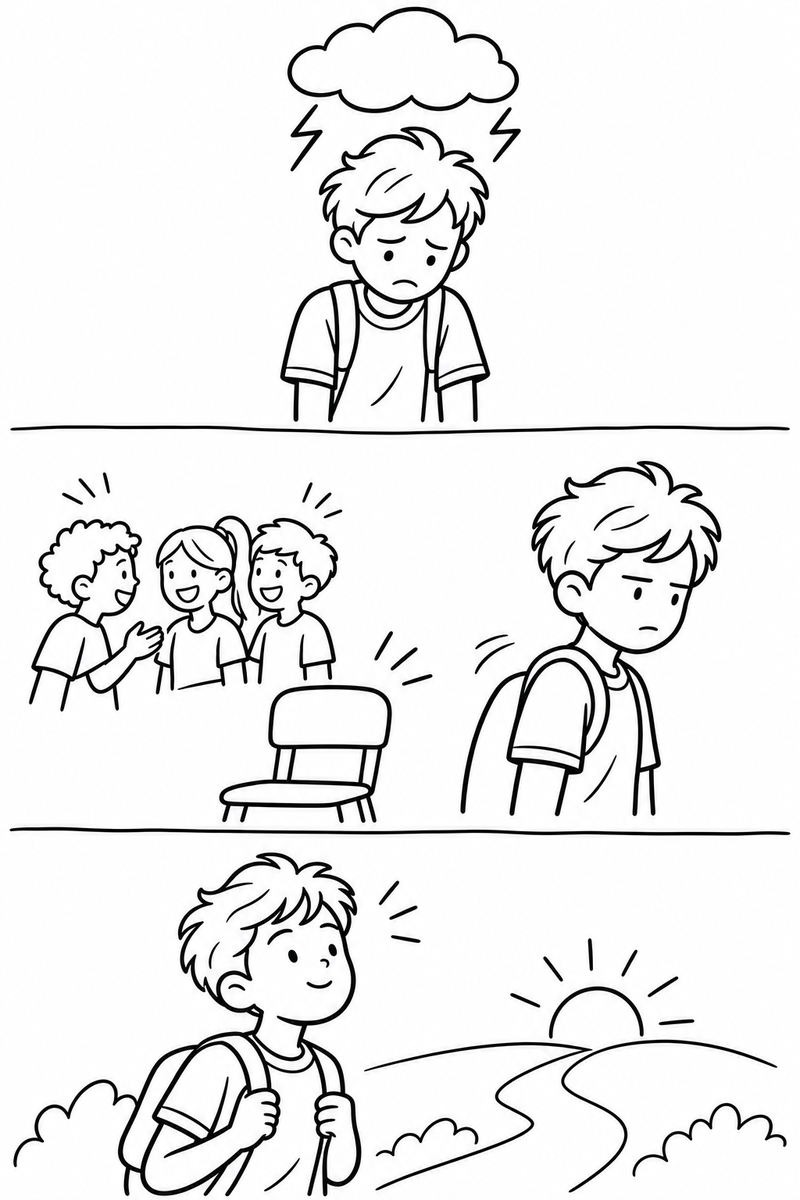
When big feelings go unsupported in pre-adolescence, the effects can build over time.
In pre-adolescence (Present):
As they grow (Future):
Early support matters because the skills a child builds at this age shape how they handle friendships, learning and pressure for years to come.
Help your child aged 10 to 12 understand their emotions, manage anger, build patience, handle conflict and calm worry, with a daily feelings journal and parent updates, in BodhiShishu’s six-week online emotional intelligence programme.
The Emotional Intelligence Programme for Children Aged 10 to 12 helps children recognise, name and regulate the feelings that shape their friendships, their schoolwork and how they see themselves. It runs for 45 days and is delivered through one-to-one sessions led personally by Ms Darshan Bawa, so each child is supported by someone who knows their patterns and progress.
At this age, children are ready to think about their own feelings. Each week’s lesson is built around an illustrated case study of a real-feeling situation, such as a difficult race, a group project or a friendship disagreement. Children follow the story, reflect on what the character felt and why, and then apply the same thinking to their own experiences.
Lasting change comes from practice, so each programme includes daily reflection in a personal Feelings Journal, taking a few minutes a day. Parents stay informed throughout, with a short debrief after each session and a clear picture of their child’s progress, so the skills continue beyond the 45 days.
Children at this age respond to stories that feel true to their lives. Each week follows a new named peer through a real-feeling situation, such as a race day, a group project or a difficult friendship, so children can see their own experiences reflected without being put on the spot.
Children aged 10 to 12 are very aware of how they appear to others, so the programme focuses on private reflection and thoughtful discussion rather than acting things out. Children learn to name what they feel, and to understand why, at their own pace.
Between sessions, children write a short entry in their own journal. Parents give a simple daily cue, but they don’t read the entries unless their child chooses to share them. This keeps the space private, which helps children be more honest about what they feel.
Every session is led personally by Ms Darshan Bawa on a video call. Your child works with the same person across all six weeks, so trust builds over time, and no travel or special equipment is needed.
After each session, you receive one observation, one moment to celebrate and one practical suggestion for home. You know what your child is working on, without needing to ask them about it.
Engagement, emotional vocabulary, regulation and social responsiveness are tracked throughout the programme and reviewed at Day 45, so you can see how far your child has come and how to keep the habits going.
A structured emotional intelligence programme that runs for six weeks, so your child has time to build skills that last.
One-to-one sessions with Darshan, one each week, each introducing a new skill for emotional regulation through a short age appropriate tools.
Focused sessions that fit comfortably into a young child’s attention span, held on a video call from home.
Short daily practice between sessions, using the same routine each day, so calming and sharing become a habit.
Unlike the younger programmes, the emotional intelligence programme for children aged 10 to 12 doesn’t follow one recurring pair of characters. Each week introduces a new named peer, with a story that reflects the kinds of situations children this age face at school, with friends and in their own thoughts.
Each week’s case study follows a different peer through a situation children will recognise. Because the characters change, your child meets a range of experiences rather than one fixed storyline.
The stories cover everyday moments such as a race day, a group project, a difficult friendship and a worry before a test. Children see how a feeling builds and how the character responds, and then reflect on their own experiences.
The illustrations are editorial and semi-realistic, in the style of a magazine profile, so the stories feel like real accounts rather than cartoons. This helps children take the lessons seriously and see themselves in the characters.
Help your child aged 10 to 12 understand their emotions, manage anger, build patience, handle conflict and calm worry, with a daily feelings journal and parent updates, in BodhiShishu’s six-week online emotional intelligence programme.
The emotional intelligence programme for children aged 10 to 12 helps children recognise, name and regulate the feelings that come up most with friends, at school and in their own thoughts.
Anger and Reactions: How Do I Help My 11 Year Old Manage Anger?
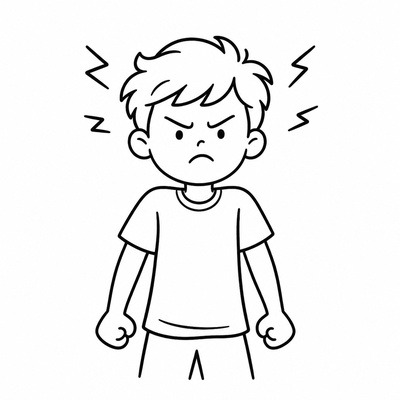
Anger at this age often builds quietly before it bursts, and it can show up as sharp words, slammed doors or silence. The programme helps children notice anger as it starts, understand what sits beneath it, and choose a response they are less likely to regret.
Frustration and Patience: Why Does My Child Give Up When Things Get Hard?
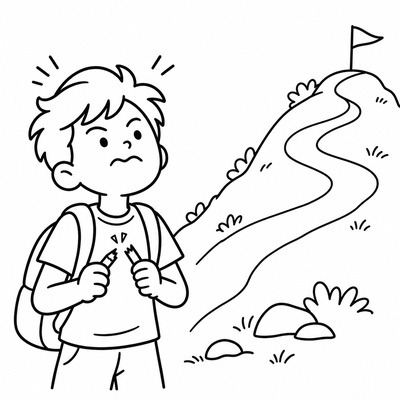
Frustration can appear when a task feels too difficult, a result falls short, or progress feels slow. The programme helps children name frustration, keep going in small steps, and see difficulty as part of getting better.
Worry and Performance Anxiety: How Can I Help My Child Cope Before a Test or Presentation?
Worry about tests, sports matches and presentations can build for days and show up as trouble sleeping, avoidance or irritability. The programme helps children recognise worry, name the thoughts behind it, and approach the challenge with a calmer mind.
Hurt and Peer Conflict: How Do I Help My Child Handle Friendship Arguments?
Hurt feelings from friends, especially when a message is misread or shared in a group chat, can be hard to put into words. The programme helps children name the hurt, understand what happened, and decide how to respond directly rather than withdrawing.
Embarrassment and Self-Consciousness: How Do I Build My Child’s Confidence Around Others?
Embarrassment can stop a child from speaking up in class or joining in with a group. The programme helps children recognise the self-conscious feeling, separate it from the facts of a situation, and feel more at ease taking part.
Sadness and Withdrawal: What Helps a Child Who Has Gone Quiet?
Some children respond to sadness by pulling back and going silent. The programme helps children name sadness, notice when they are pulling away, and find ways to reconnect with the people who care about them.
Each week builds one emotional skill for children aged 10 to 12, through an illustrated case study, live reflection with Ms Darshan and a daily Feelings Journal at home.
Children learn to notice the different feelings that arise in a single day, including excitement, nervousness and pride, and to understand how those feelings connect to what is happening around them.
Children learn to recognise anger as it builds, understand the feelings beneath it, and choose a response that protects their relationships and their self-respect.
Children learn to set realistic goals, take small steps forward and notice progress, so pressure feels more manageable and giving up feels less tempting.
Children learn to look beneath a friend’s behaviour and consider what they might be feeling, so they can respond with understanding rather than assumption.
Children learn to say how they feel clearly and listen to the other person, so disagreements can be resolved face to face rather than through silence or group chats.
Children learn to notice the “what if” thoughts that build before a test, performance or important event, and to bring their body and their thinking back to a calmer, more realistic place.
Help your child aged 10 to 12 understand their emotions, manage anger, build patience, handle conflict and calm worry, with a daily feelings journal and parent updates, in BodhiShishu’s six-week online emotional intelligence programme.
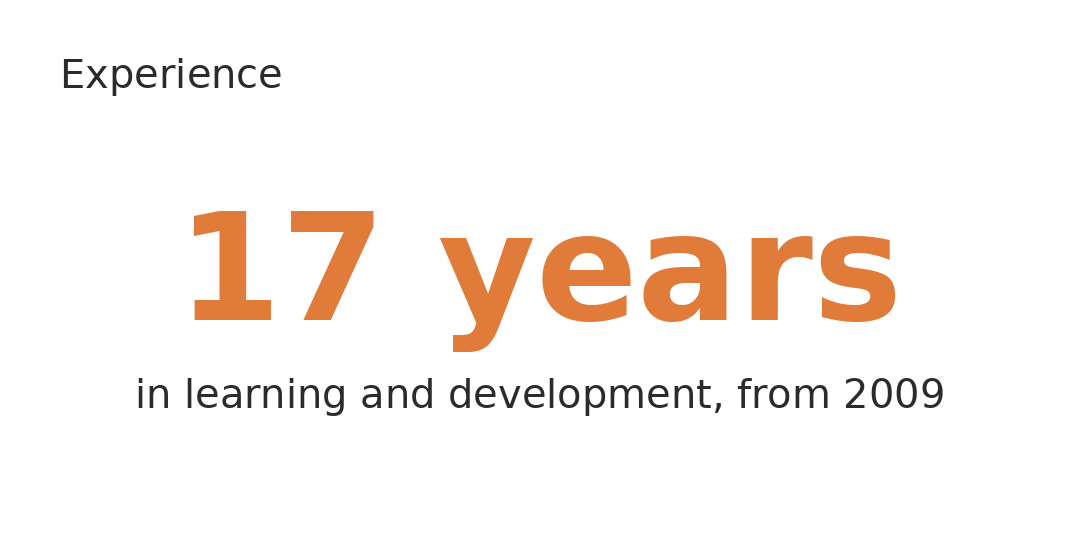
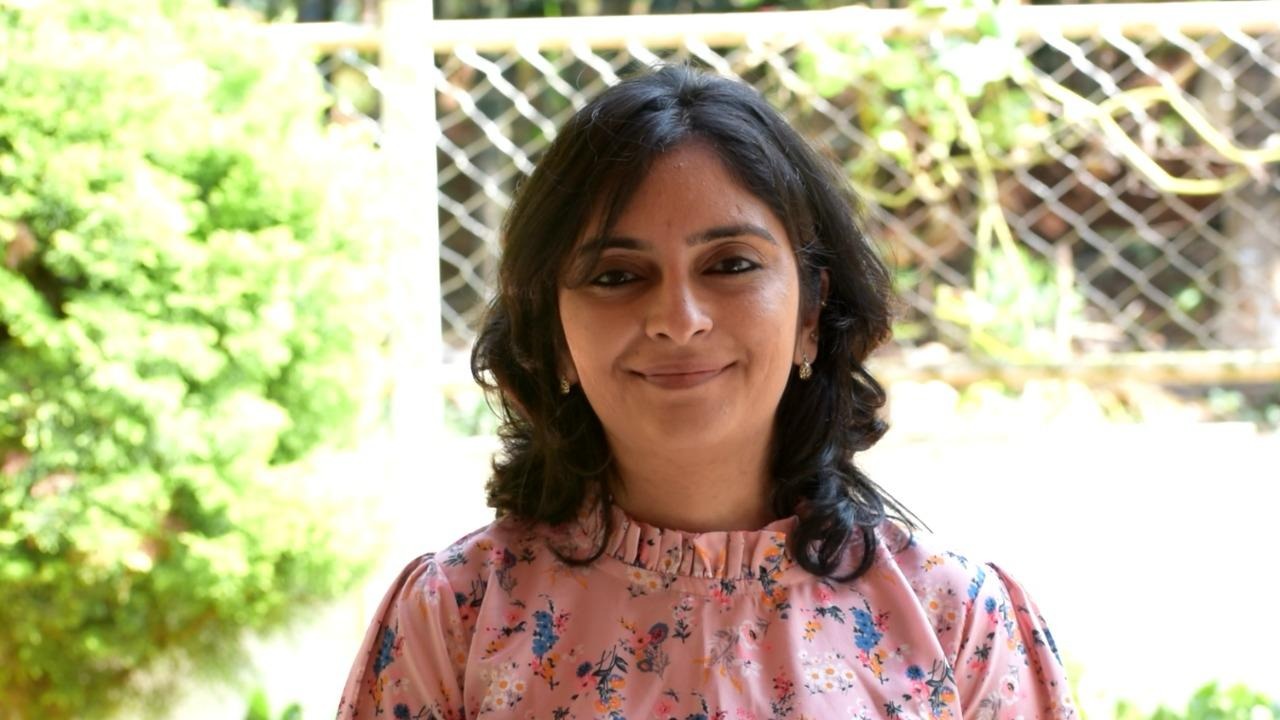
I have worked in learning and development since 2009, and I have been working directly with children since 2016. My focus has always been on helping children understand and manage their feelings in ways that last, not just on changing how they behave in the moment.
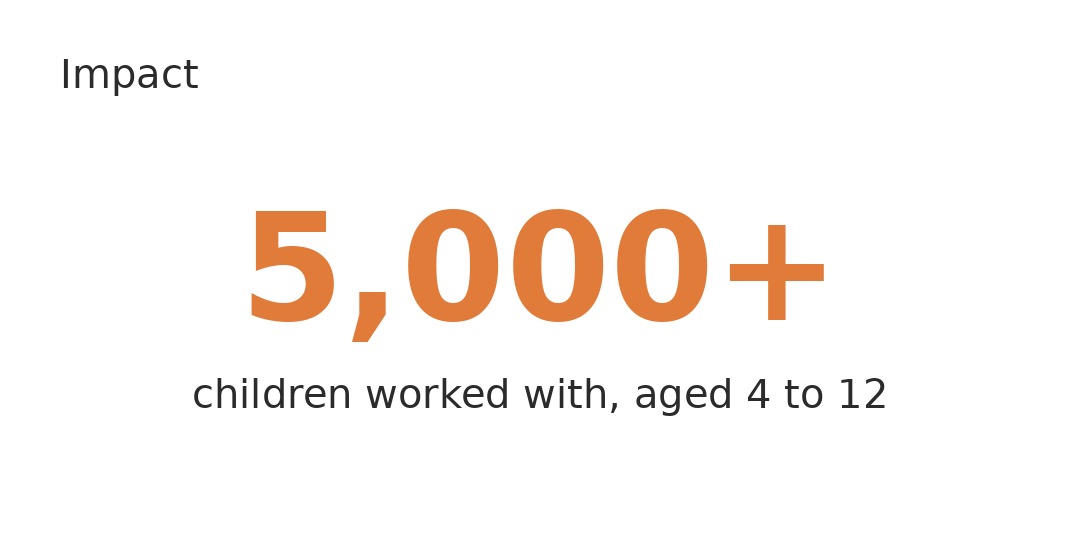
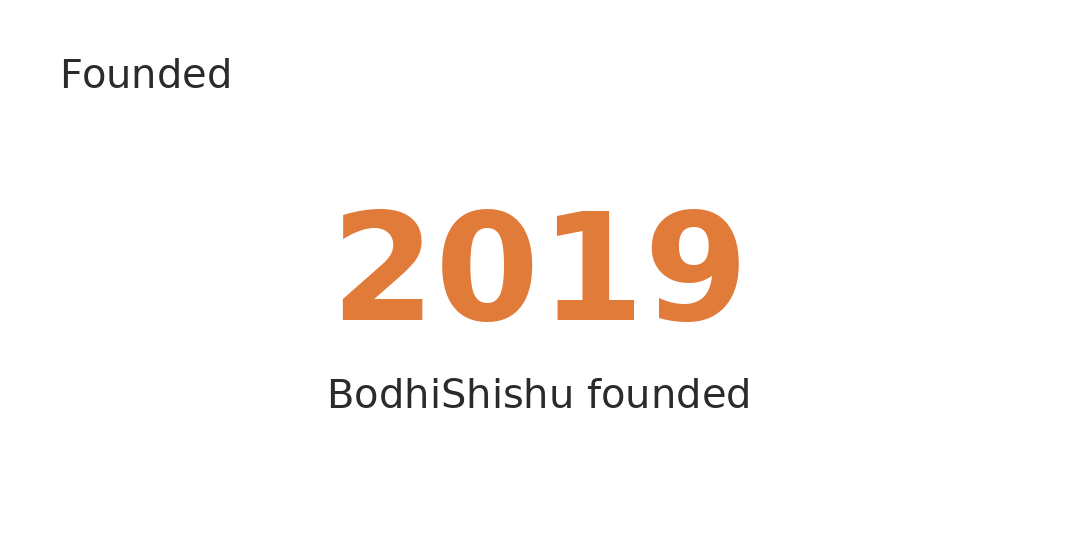
Over that time, I have supported more than 5,000 children, and I founded BodhiShishu in 2019 to bring structured emotional intelligence, focus and confidence programmes to children aged 4 to 12. I am Berkeley Certified in Emotional Intelligence. BodhiShishu was incubated at IIM Bangalore and supported by Stanford Seed, and our work has been featured in The Times of India.
Every programme I lead is one to one, because I believe a child learns best when someone truly knows them. Parents work with me directly, so they always know what their child is working on and how they are progressing. If you would like to know more about my background and the BodhiShishu approach, you can read the full story on our About Us page.
91%
89%
93%
The programme runs for 45 days. Within that time, your child has six one-to-one sessions with Ms Darshan Bawa, one each week, with a private daily Feelings Journal in between.
Yes. Every session is led personally by Ms Darshan Bawa, so your child works with the same person across all six weeks.
Each session lasts 40 minutes, followed by a 2-minute debrief for parents. The daily Feelings Journal takes one to two sentences each day.
Yes. All sessions take place on a video call. Your child needs a device with a camera and a quiet space, and no other equipment is required.
No. Sessions are held between your child and Ms Darshan Bawa, and the Feelings Journal is private. You receive a summary of progress after each session, without needing your child to share what they wrote.
No. If your child’s withdrawal, anger or distress is severe, lasting, or includes any thoughts of hurting themselves or others, please speak to your child’s doctor or a qualified professional straight away. The programme can complement that support, but it is not a substitute for it.
Many parents come to the programme after trying other approaches. Children at this age learn best through reflection, practice and repetition, and the programme focuses on the skills behind the behaviour, not only on how to respond to it in the moment.
Yes. The programme helps children recognise and manage these feelings whether they happen often or only in certain situations, such as before a test or during a disagreement with friends.
Yes. The programme can be tailored to suit your child’s needs, including additional one-to-one sessions if your child needs more time to build these skills. Ms Darshan Bawa will discuss what would work best for your child.
Help your child aged 10 to 12 understand their emotions, manage anger, build patience, handle conflict and calm worry, with a daily feelings journal and parent updates, in BodhiShishu’s six-week online emotional intelligence programme.
 Launch your Graphy