
Anger Management Course for Kids [7 to 9 Years]
Contact us

Emotional Intelligence and Anger Management for Children Ages 7 to 9

A six-week online emotional intelligence programme that helps children aged 7 to 9 manage anger, frustration, friendship conflicts and fear of failure, with daily practice and parent updates.

BodhiShishu - A Trusted Brand

Is Your Child Struggling With Anger, Frustration or Big Feelings at Ages 7 to 9?

Many parents of children aged 7 to 9 know these moments well. A homework task ends in tears, a lost game ends in shouting, or a comment from a friend turns into a slammed door. These moments are common at this age, and they do not mean your child is badly behaved. They usually mean a child has not yet learned the skills to recognise and manage what they feel.

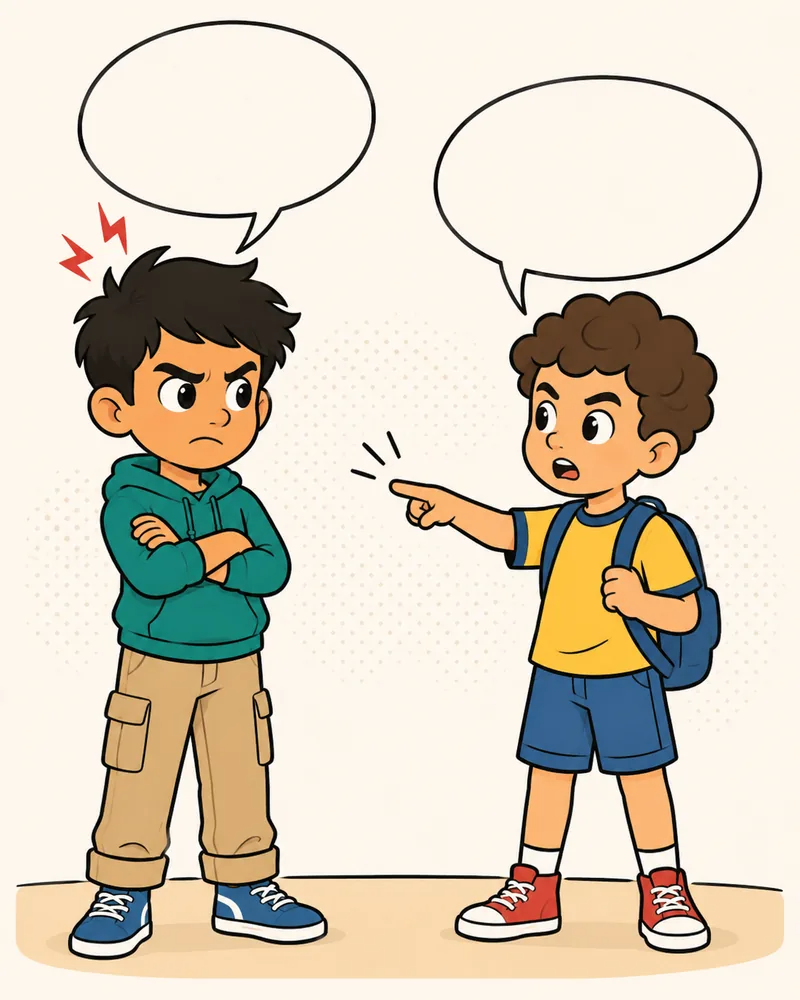
Unfairness feels unbearable. A child who is told off when they feel someone else got away with something may react with anger that seems far bigger than the moment. At this age, fairness matters deeply, and the feeling can arrive all at once.

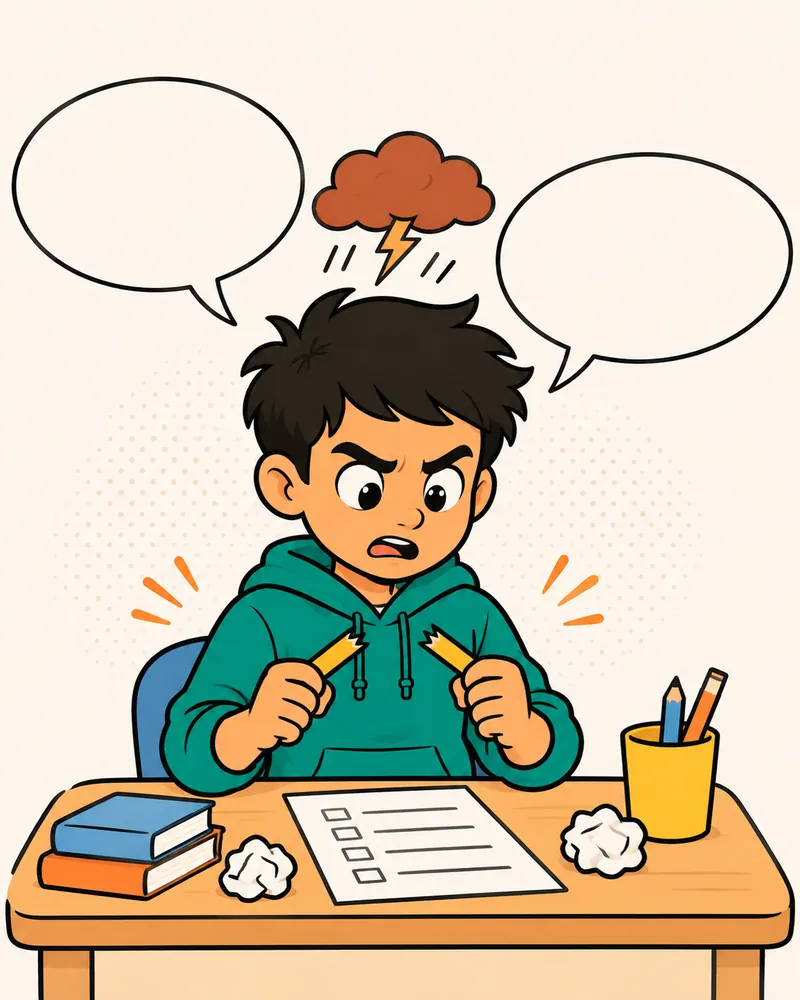
Mistakes and setbacks sting. A wrong answer in class, a spelling test or a lost match can bring frustration that carries into the rest of the day. Children this age often want to get things right, which makes frustration harder to contain.

Friendships bring new pressures. Arguments over games, being left out, or a friend saying something hurtful can lead to shouting, sulking or reluctance to go to school. Many children this age are still learning to name what hurt them.

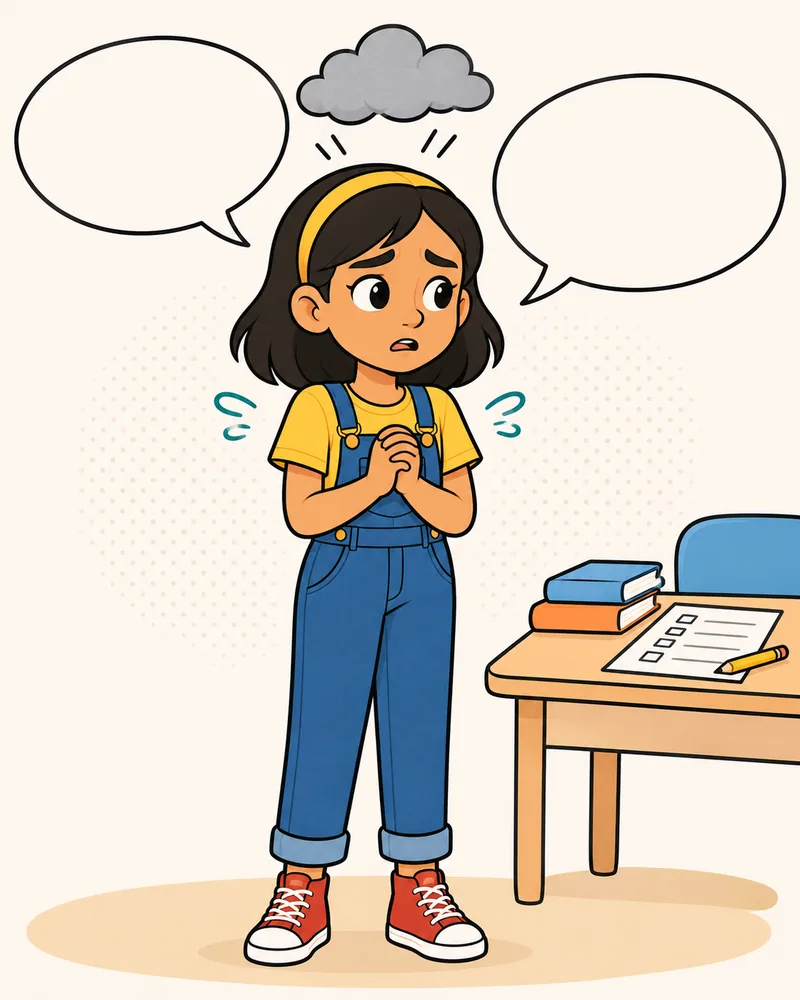
Worry often hides behind anger. A child who is anxious about a test, a new class or a school activity may show anger rather than fear, because anger is easier to show. The worry underneath is often what needs attention.

Feelings spill over at home. Children who hold themselves together at school may release those feelings at home, through arguments with siblings, slammed doors or refusing to cooperate with routines. Family life can start to feel stuck in the same cycle.

If your child’s anger is frequent, severe, or includes hurting themselves or others, speak to your child’s doctor or a qualified professional alongside this programme.

Why Common Approaches Don’t Help Children Aged 7 to 9 Manage Big Feelings

Most parents have tried several approaches, and most have good reasons for trying them.

1

Taking away screens and privileges

These can change behaviour for a while, but a child who loses their game time after an outburst is often left with the same feeling and no better way to handle it. The consequence can also add to their sense of being in trouble.

2

Lectures after the moment has passed

Explaining why the reaction was wrong, once things have calmed down, rarely helps a child find the words for what they felt in the first place. The lesson is heard, but the skill is not built.

3

Telling them to calm down or stop overreacting

A child who has never been shown how to settle their body and mind cannot simply decide to stop. The instruction arrives without the tools it needs.

4

Reward charts and bribes

Rewards can encourage good behaviour for a few weeks, but they focus on the outcome rather than the skill behind it. When the reward stops, the struggle often returns.

The underlying gap is the same in each case. Children aged 7 to 9 can learn to recognise, name and manage their feelings, but these are skills, and they develop through guided practice and repetition. That is what the programme is designed to provide.

The Long-Term Cost of Unmanaged Feelings in Children Aged 7 to 9

When big feelings go unsupported in middle childhood, the effects can build over time.

In middle childhood (Present):

  • Repeated difficulties with school work, group tasks and classroom behaviour
  • Frequent conflict over sharing and turn-taking
  • Growing self-criticism, including the belief “I’m the one who always gets in trouble”
  • Reluctance to try new activities or take on challenges, for fear of getting it wrong
  • Family routines, such as homework and bedtime, becoming a regular source of conflict

In Adolescence & Adulthood (Future):


  • Feelings that are harder to manage at school, as the demands increase
  • Friendships that become more difficult to sustain
  • Greater self-criticism if the child begins to see themselves as the problem
  • Stress that is carried into later childhood, rather than being resolved at its source

Early support matters because the skills a child builds at this age become the foundation for their friendships, their learning and their confidence in the years ahead.

Help your child aged 7 to 9 manage anger, frustration, friendship conflicts and fear of failure, with daily practice and parent updates, with BodhiShishu's six-week online emotional intelligence programme.

Introducing: Emotional Intelligence Programme for Children Aged 7 to 9

The Emotional Intelligence Programme for Children Aged 7 to 9 helps children recognise, name and regulate the feelings that shape their school day, their friendships and their family life. It runs for 45 days and is delivered through one-to-one sessions led personally by Ms Darshan Bawa, so each child is supported by someone who knows their patterns and progress.

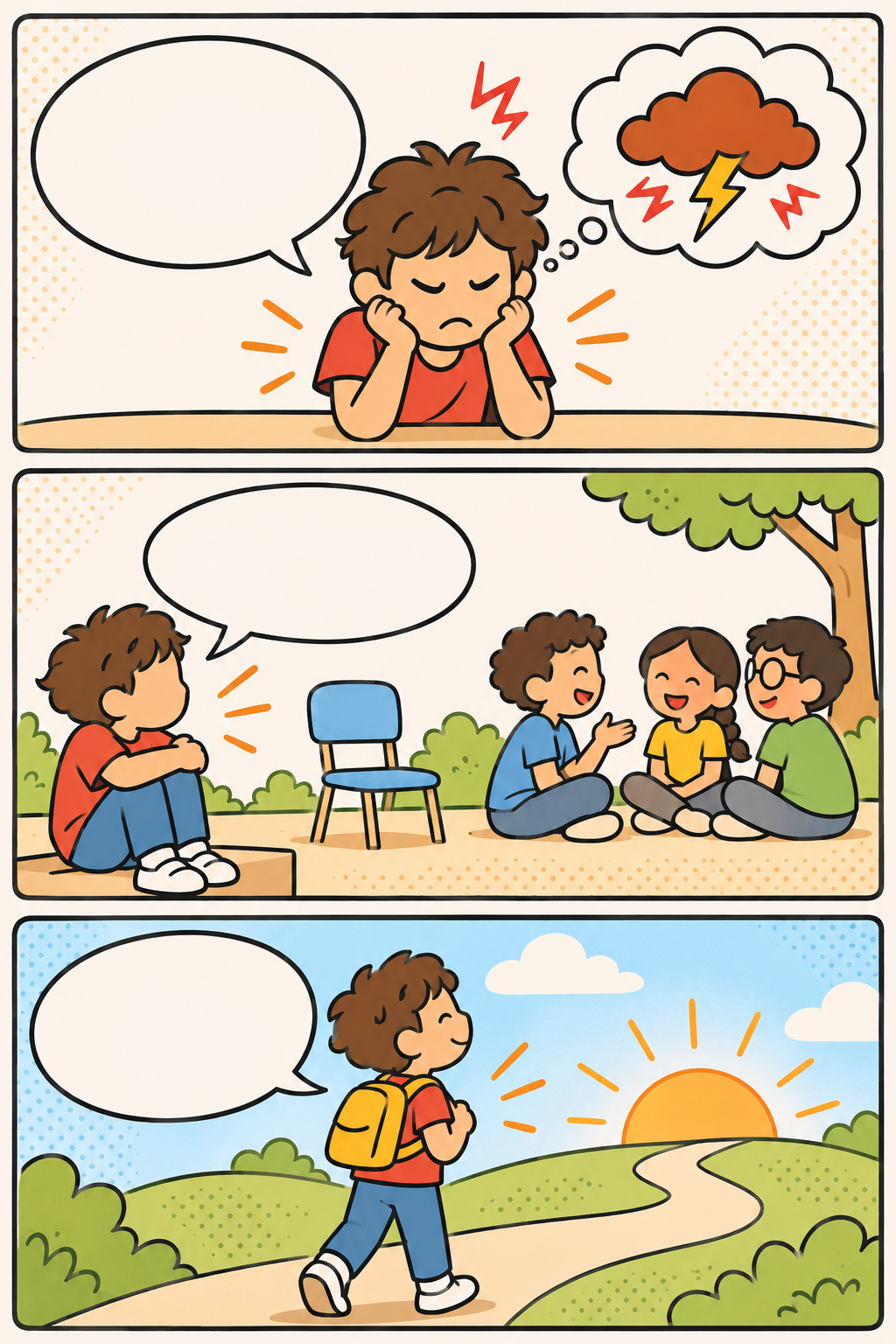
Children at this age enjoy solving problems, so the programme approaches emotions like a detective case. Each week’s story follows two peer characters through a situation children recognise, and children look for the clues behind a feeling: what happened, what they felt, and what changed. The learning is practised live in each session and then continued every day at home.

Lasting change comes from practice, so each programme includes a short daily practice of 3 to 5 minutes. Parents stay involved throughout, with a short debrief after each session and a clear picture of their child’s progress, so the skills continue beyond the 45 days.

What Makes This Emotional Intelligence Programme Unique for Children Aged 7 to 9

Learning through detective-style stories.

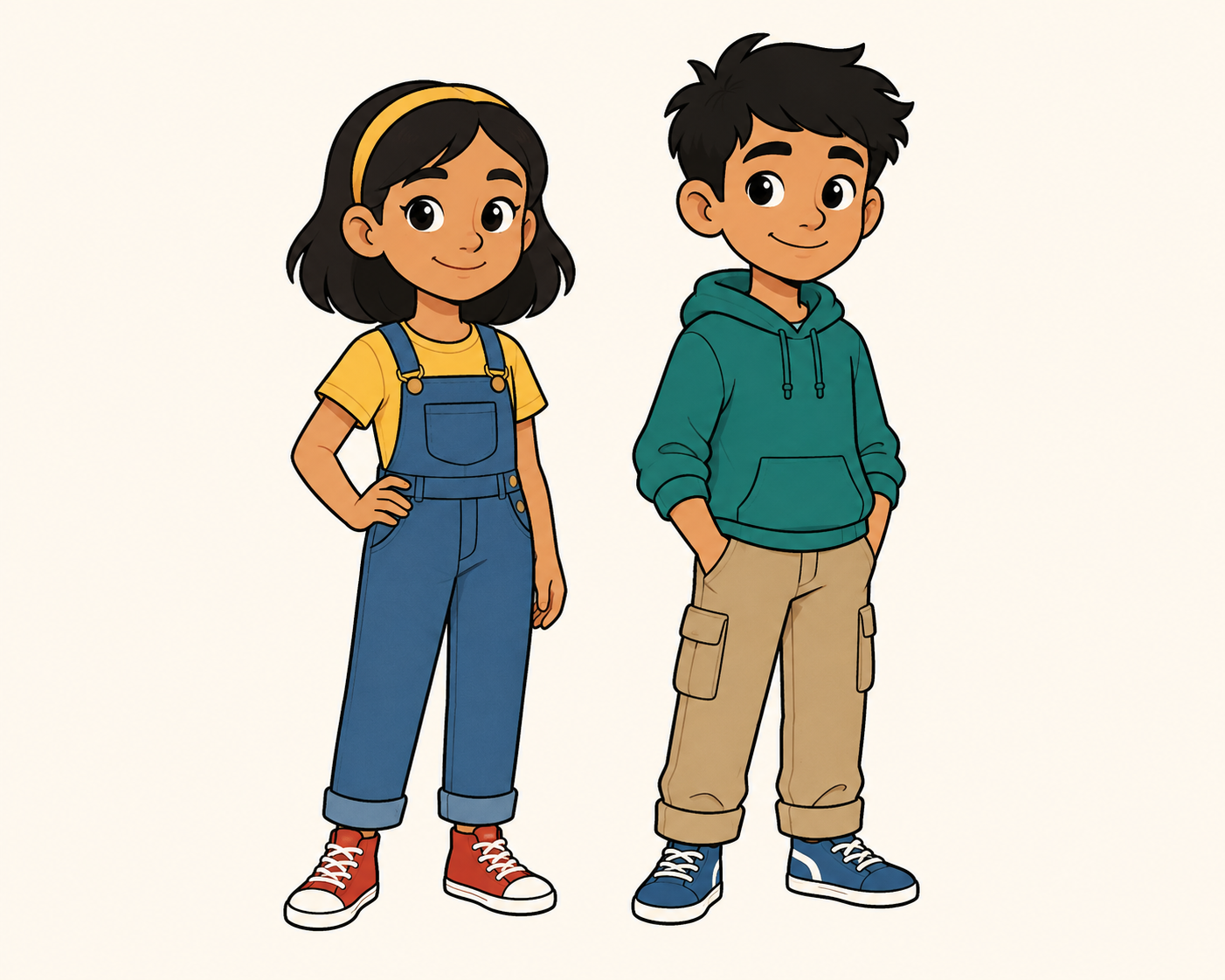
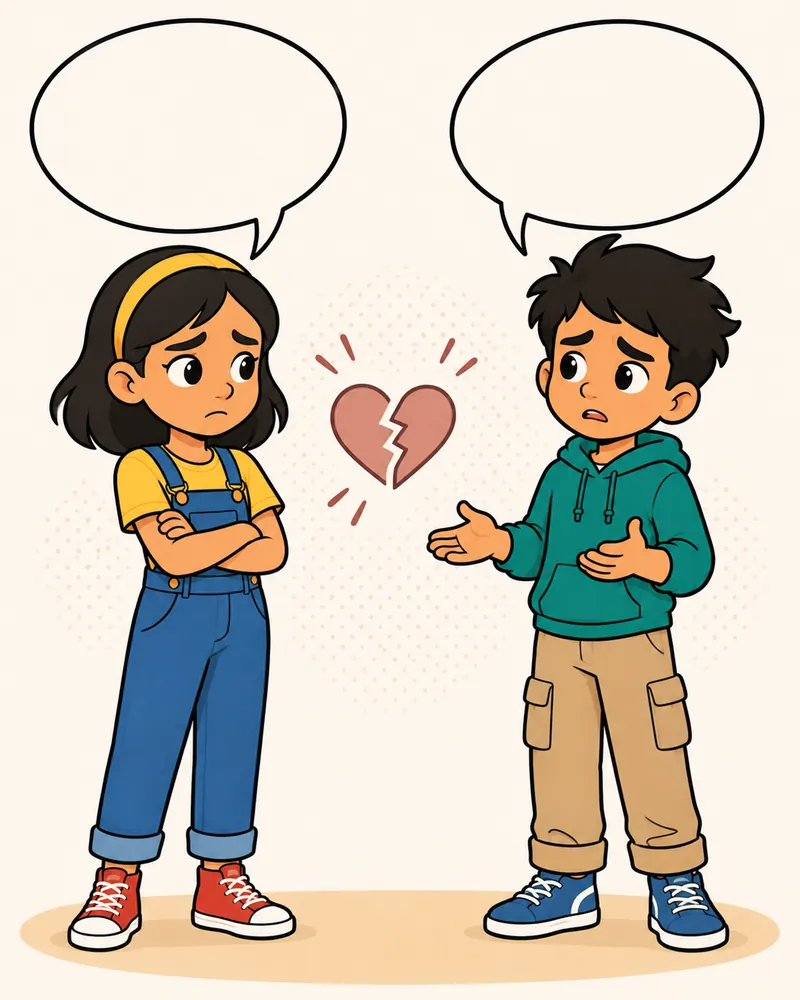
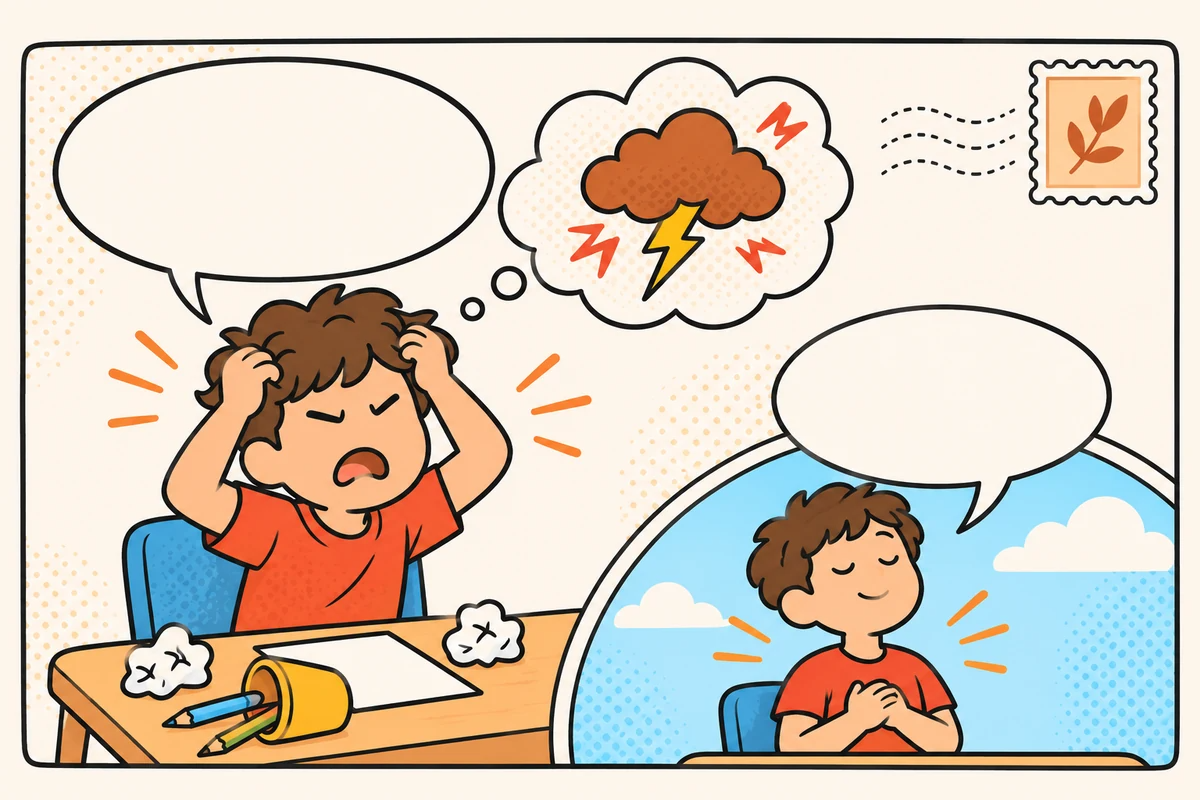
Emotional intelligence for children aged 7 to 9 works best when it feels like a puzzle. Each week, the comic-panel stories follow two peer characters, Maya and Dev, through a situation children recognise. Children look for the clues behind a feeling, which makes emotional regulation feel like an active challenge rather than a lecture.

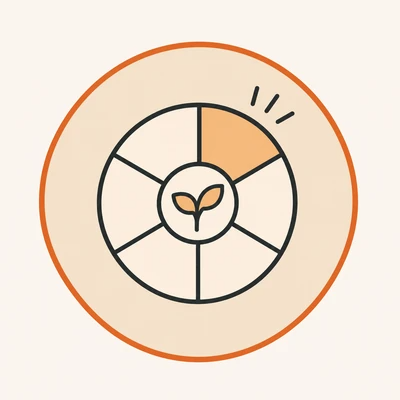
An emotion wheel that grows with the child.

The programme uses an emotion wheel that moves from simple feelings to more complex ones. Children learn to find the exact word for what they feel, which makes it easier to manage anger, frustration and worry before they take over.

Daily practice that builds lasting habits.

A short daily practice of 3 to 5 minutes uses the same routine each day. Consistency at this age is what turns a new skill into a habit that carries into school, friendships and family life.

One-to-one sessions, online from home.

Every session is led personally by Ms Darshan Bawa on a video call. Your child is taught by the same person across all six weeks, and no travel or special equipment is needed.

A clear weekly summary for parents.

After each session, parents receive one observation, one moment to celebrate and one practical suggestion for home. You always know what your child worked on and how to support it.

Progress tracked across four areas.

Engagement, emotional vocabulary, regulation and social responsiveness are tracked throughout the programme and reviewed at Day 45, so you can see how far your child has come and how to keep the habits going.

How the 45-Day Emotional Intelligence Programme Works for Children Aged 7 to 9

45 Days

A structured emotional intelligence programme that runs for six weeks, so your child has time to build skills that last.

6 Sessions

One-to-one sessions with Darshan, one each week, each introducing a new skill for emotional regulation through a short age appropriate tools.

30 Minutes Each

Focused sessions that fit comfortably into a young child’s attention span, held on a video call from home.

3 to 5 Minutes Daily

Short daily practice between sessions, using the same routine each day, so calming and sharing become a habit.

Meet Maya and Dev in the Emotional Intelligence Programme for Children Aged 7 to 9

Maya and Dev are the two peer characters who appear in the emotional intelligence programme for children aged 7 to 9. They are about the same age as the children taking part, and their everyday situations at school, with friends and at home are the starting point for each week’s lesson.

Maya

Maya is one of the two peer characters who guides children through the programme’s stories. Children see her face situations that many 7 to 9 year olds recognise, and learn to notice what she feels and why.

Dev

Dev is the second peer character, sharing the stories with Maya. Children follow his experiences as he works through his feelings, and they learn from the moments when he finds a helpful way forward.

Help your child aged 7 to 9 manage anger, frustration, friendship conflicts and fear of failure, with daily practice and parent updates, with BodhiShishu's six-week 1: 1 online emotional intelligence programme.

Emotions Children Aged 7 to 9 Learn to Manage: Anger, Worry, Friendships and More

The emotional intelligence programme for children aged 7 to 9 helps children recognise, name and regulate the feelings that come up most at school, with friends and at home.

Anger and Fairness: How Do I Help My 8 Year Old Manage Anger?

Children at this age often feel anger strongly when something seems unfair, such as being blamed for something they didn’t do. The programme helps them notice anger as it starts to build, identify what triggered it, and choose a calmer response before it becomes shouting or slamming doors.

Frustration and Mistakes: Why Does My Child Give Up Easily at School?

Frustration often appears when homework, a test or a game doesn’t go to plan. The programme helps children recognise frustration early, name it, and find a way to keep going rather than giving up or lashing out.

Worry and Nervousness: How Can I Help My Child Feel Less Anxious Before a Test?

Many children aged 7 to 9 feel nervous before tests, performances or new classes. The programme helps children recognise the signs of worry in their body, name what they feel, and use simple steps to settle before they take on the challenge.

Hurt and Friendships: How Do I Help My Child Cope With Friendship Problems?

Hurt feelings from friends, such as being left out or teased, can be hard for children to put into words. The programme helps children name the hurt, understand what it means, and think about how to respond without retaliating.

Embarrassment: How Can My Child Feel Confident in Class?

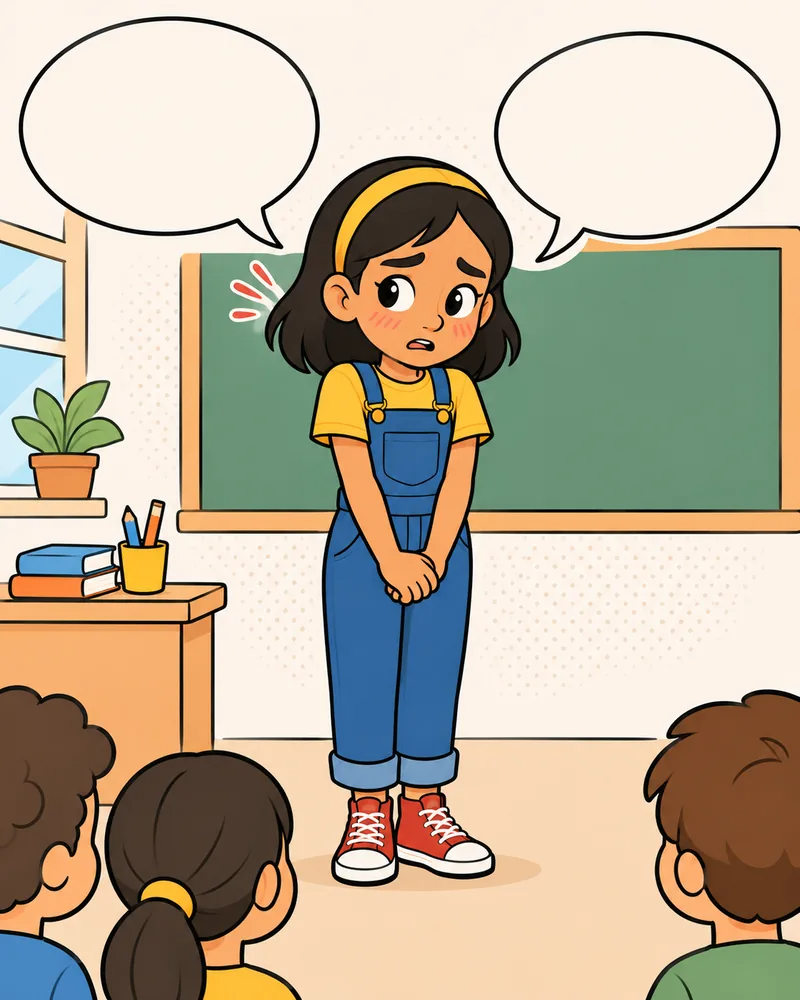
Embarrassment can stop a child from answering questions or joining in with others. The programme helps children name the embarrassed feeling, recognise that it passes, and build the confidence to take part again.

Disappointment and Patience: How Do I Help My Child Cope When Things Don’t Go Their Way?

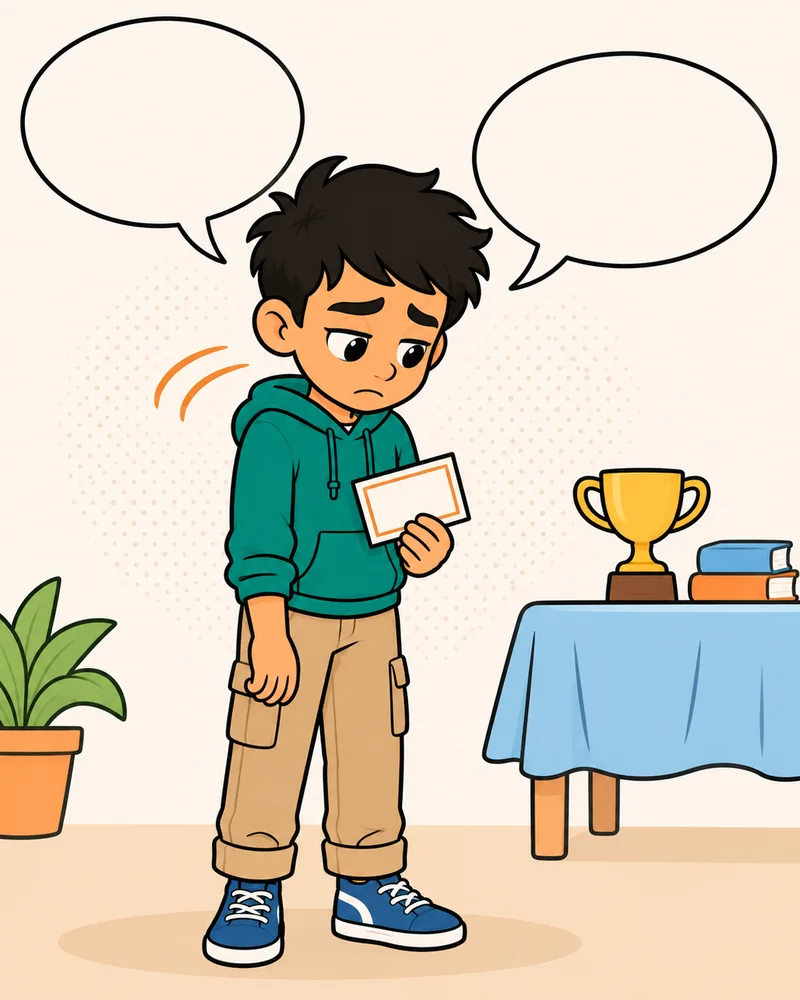
Disappointment after losing a match, missing a prize or getting a result they hoped against can lead to sulking or outbursts. The programme helps children name the feeling and move on, building patience for the next attempt.

Fear of Failure and Performing: How Can My Child Feel Brave When Things Go Wrong?

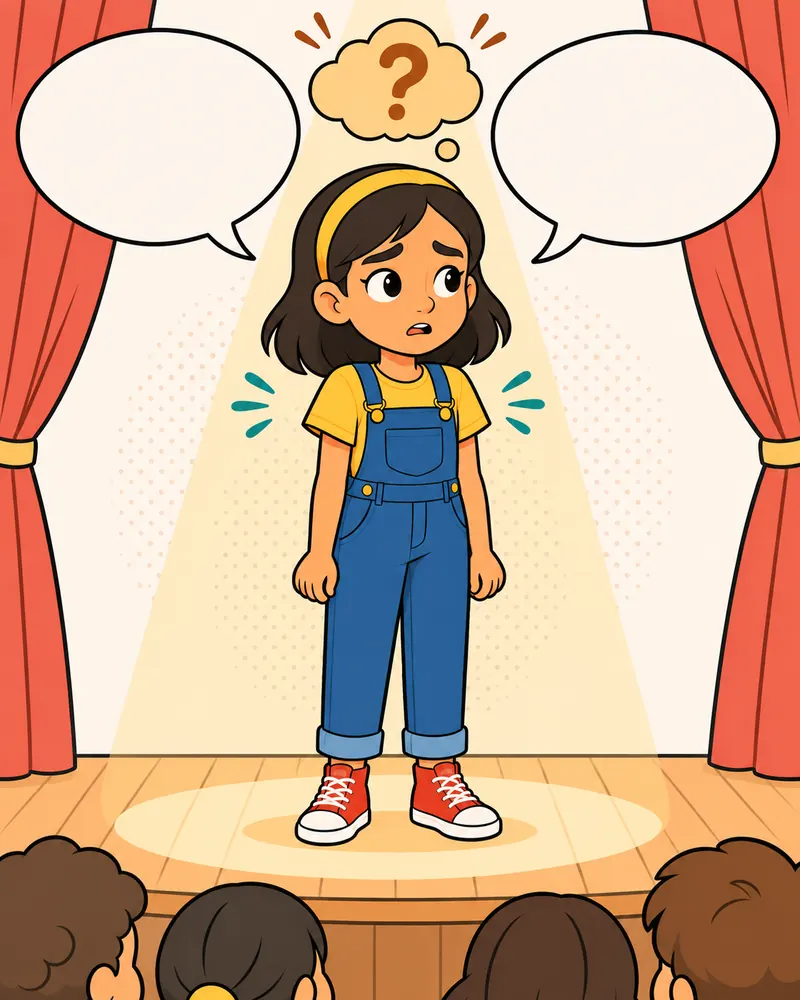
Many children hold back when they fear getting something wrong or freezing in front of others. The programme helps children recognise that fear, understand that confidence means acting despite feeling scared, and bounce back after a setback.

Calm and Self-Control: How Can My Child Learn to Calm Down Quickly?

Calm is the foundation for managing every other feeling. The programme helps children learn simple ways to settle their body and mind, so they can think clearly when strong feelings arrive, at school or at home.

The Six Weeks: What Your Child Builds in the Emotional Intelligence Programme for Children Aged 7 to 9

Each week builds one emotional skill for children aged 7 to 9, through a comic-panel story, live practice with Ms Darshan Bawa and daily practice at home.

Week 1:

Understanding My Feelings, How Do I Help My Child Identify Their Emotions?

Children learn to recognise and name several feelings at once, such as feeling excited and nervous together, so their emotions become easier to understand.

Week 2:

Anger and Fairness, How Do I Help My Child Manage Anger When Things Feel Unfair?

Children learn to notice anger as it rises, understand what triggered it, and recognise when a situation feels unfair, so they can respond before the anger takes over.

Week 3:

Patience and Persistence, How Do I Help My Child Keep Trying When Something Is Hard?

Children learn to break a goal into small steps and keep going through difficulty, using “not yet” thinking to see progress rather than failure.

Week 4:

Seeing Things Differently, How Do I Teach My Child to Understand Other People?

Children learn to look at a situation from another person’s point of view, and to notice what might be behind a friend’s or sibling’s behaviour.

Week 5:

Friendships and Social Skills, How Do I Help My Child Handle Disagreements With Friends?

Children learn to express their feelings clearly to friends, listen to others, and handle disagreements calmly, so friendships stay strong.

Week 6:

Handling Failure and Building Confidence, How Do I Help My Child Bounce Back From Failure?

Children learn that confidence doesn’t mean fear disappears. It means choosing to act even when they feel scared. They bring together the skills from earlier weeks, so a setback, such as forgetting their words in front of others, becomes something they can recover from rather than a reason to give up.

Meet Ms Darshan Bawa: Why Parents Trust Me With Their Child’s Emotional Growth

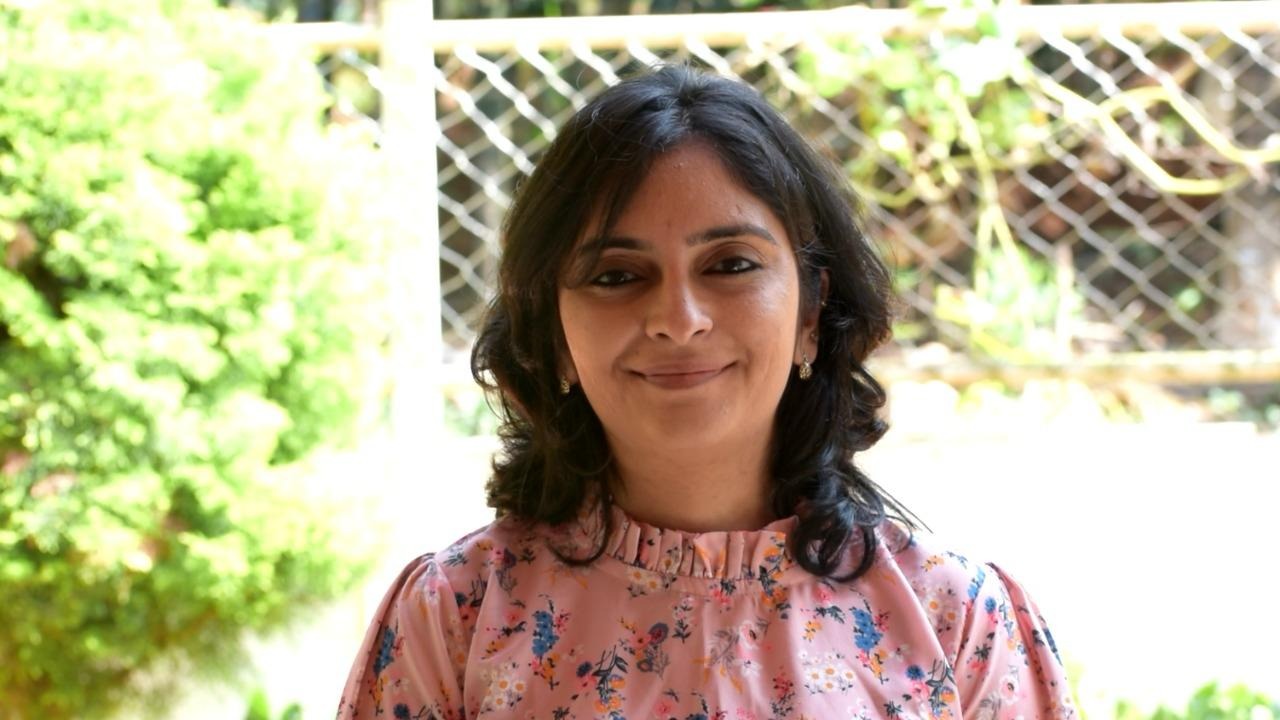
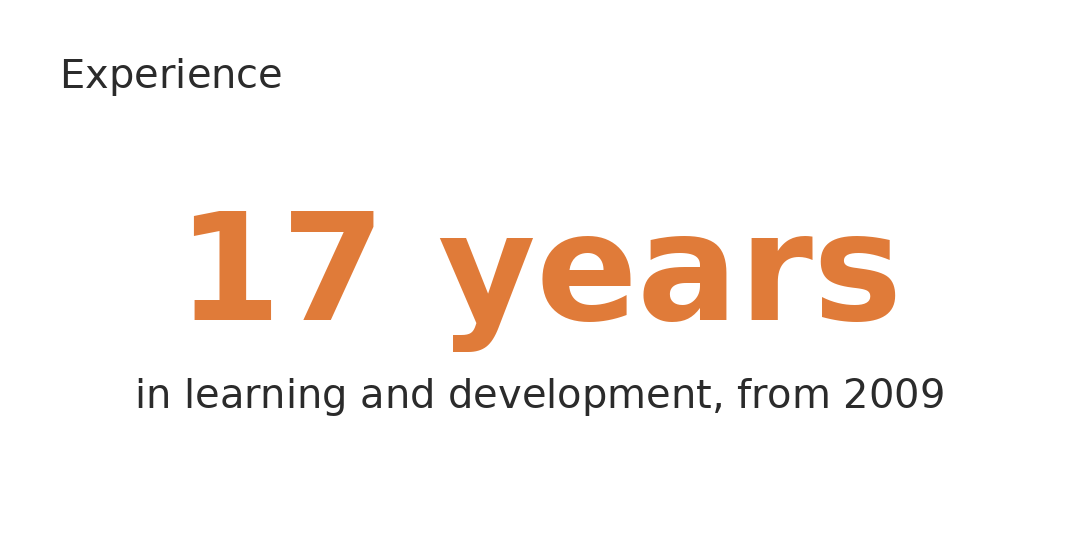
I have worked in learning and development since 2009, and I have been working directly with children since 2016. My focus has always been on helping children understand and manage their feelings in ways that last, not just on changing how they behave in the moment.

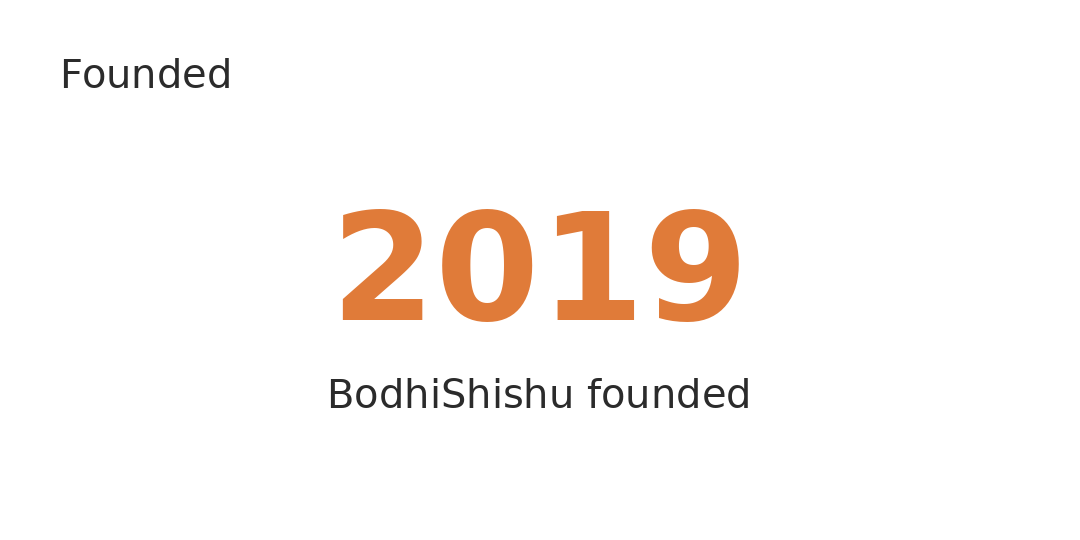
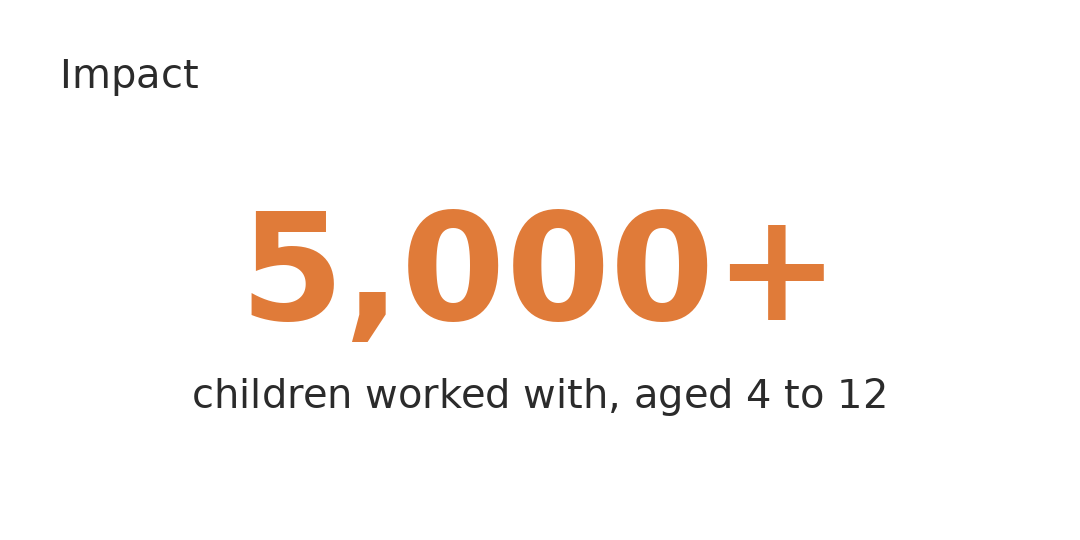
Over that time, I have supported more than 5,000 children, and I founded BodhiShishu in 2019 to bring structured emotional intelligence, focus and confidence programmes to children aged 4 to 12. I am Berkeley Certified in Emotional Intelligence. BodhiShishu was incubated at IIM Bangalore and supported by Stanford Seed, and our work has been featured in The Times of India.

Every programme I lead is one to one, because I believe a child learns best when someone truly knows them. Parents work with me directly, so they always know what their child is working on and how they are progressing. If you would like to know more about my background and the BodhiShishu approach, you can read the full story on our About Us page.

Help your child aged 7 to 9 manage anger, frustration, friendship conflicts and fear of failure, with daily practice and parent updates, with BodhiShishu's six-week 1: 1 online emotional intelligence programme.

What Parents have to Say...

91%

Parents agree that our courses improved focus and concentration in their children.

89%

Parents noticed an improvement in the emotional health and anger management in their kids.

93%

Parents agree that our courses helped their kids with confidence building and communication skills.


"It is easier to build strong children than to repair broken adults"

-Frederick Douglass

Frequently Asked Questions About the Emotional Intelligence Programme for Children Aged 7 to 9

How long is the emotional intelligence programme for children aged 7 to 9?

The programme runs for 45 days. Within that time, your child has six one-to-one sessions with Ms Darshan, one each week, with daily practice at home in between.

Is the programme one-to-one?

Yes. Every session is led personally by Ms Darshan Bawa, so your child is taught by the same person across all six weeks.

Is the programme suitable for children who are reading at school?

Yes. The stories are told in comic-style panels with short speech bubbles, so children at this age can follow along easily.

Can the programme be done online, from home?

Yes. All sessions take place on a video call, so you can join from home. Your child needs a device with a camera and a quiet space, and no other equipment is required.

How long are the sessions, and how much time does daily practice take?

Each session lasts 30 minutes, followed by a 2-minute debrief for parents. Daily practice takes 3 to 5 minutes a day, with the same routine each day to help it become a habit.

What if my child has already tried other approaches that didn’t work?

Many parents come to the programme after trying other approaches. Children at this age learn best through guided practice and repetition, and the programme teaches the skills behind the behaviour, not only how to respond to it in the moment.

Can the programme help if my child’s anger is constant, or only happens sometimes?

Yes. The programme helps children recognise and manage anger whether it happens often or only in certain situations, such as at school, during games or with friends.

Can the programme be customised if my child needs more sessions?

Yes. The programme can be tailored to suit your child’s needs, including additional one-to-one sessions if your child needs more time to build these skills. Ms Darshan Bawa will discuss what would work best for your child.

Can this programme replace help from a doctor or a qualified professional?

No. If your child’s anger or distress is severe, frequent, or includes hurting themselves or others, please speak to your child’s doctor or a qualified professional. The programme can complement that support, but it is not a substitute for it.

Help your child aged 7 to 9 manage anger, frustration, friendship conflicts and fear of failure, with daily practice and parent updates, with BodhiShishu's six-week 1: 1 online emotional intelligence programme.